Chips, Chunks, and Baking Products
Chocolate Chips
Chocolate chips are small rounds (1/8 to 1/2 inch) (.6 to 1.25 cm) of semi-sweet, milk or white chocolate that contain less cocoa butter than other chocolates. They are made to withstand moderate oven heat, so they retain their texture and shape in cookies, muffins, and other baked desserts without appearing to melt (even though the cocoa butter has melted). It is not a good idea to use chocolate chips in recipes that call for melted chocolate, as the chocolate chips become thick, muddy and grainy when melted and thus are very difficult to use. This is because of the smaller amount of cocoa butter (25-30%) in the chocolate chips.
Content and quality of chocolate chips and chunks vary from one manufacturer to another. This chocolate is developed to be more heat stable for use in cookies and other baking where you want the chips and chunks to stay whole. Ratios of chocolate liquor, sugar, and cocoa butter differ. All of these variables affect the flavor.
Chips and chunks may be pure chocolate or have another fat substituted for the cocoa butter. Some high-quality chips have up to 65% chocolate liquor, but in practice, liquor content over 40% tends to smear in baking, so high ratios defeat the purpose. Many manufacturers package their chips or chunks by count (ct) size. This refers to how many pieces there are in 1 kg of the product. As the count size number increases, the size of the chip gets smaller. With this information, you can choose the best size of chip for the product you are producing. Other chocolate products available are chocolate sprinkles or “hail,” used as a decoration; chocolate curls, rolls, or decorative shapes for use on cakes and pastries; and chocolate sticks or “batons”, which are often baked inside croissants.
S'Mores Recipe Demonstration - Joyofbaking.com
Cocoa Butter
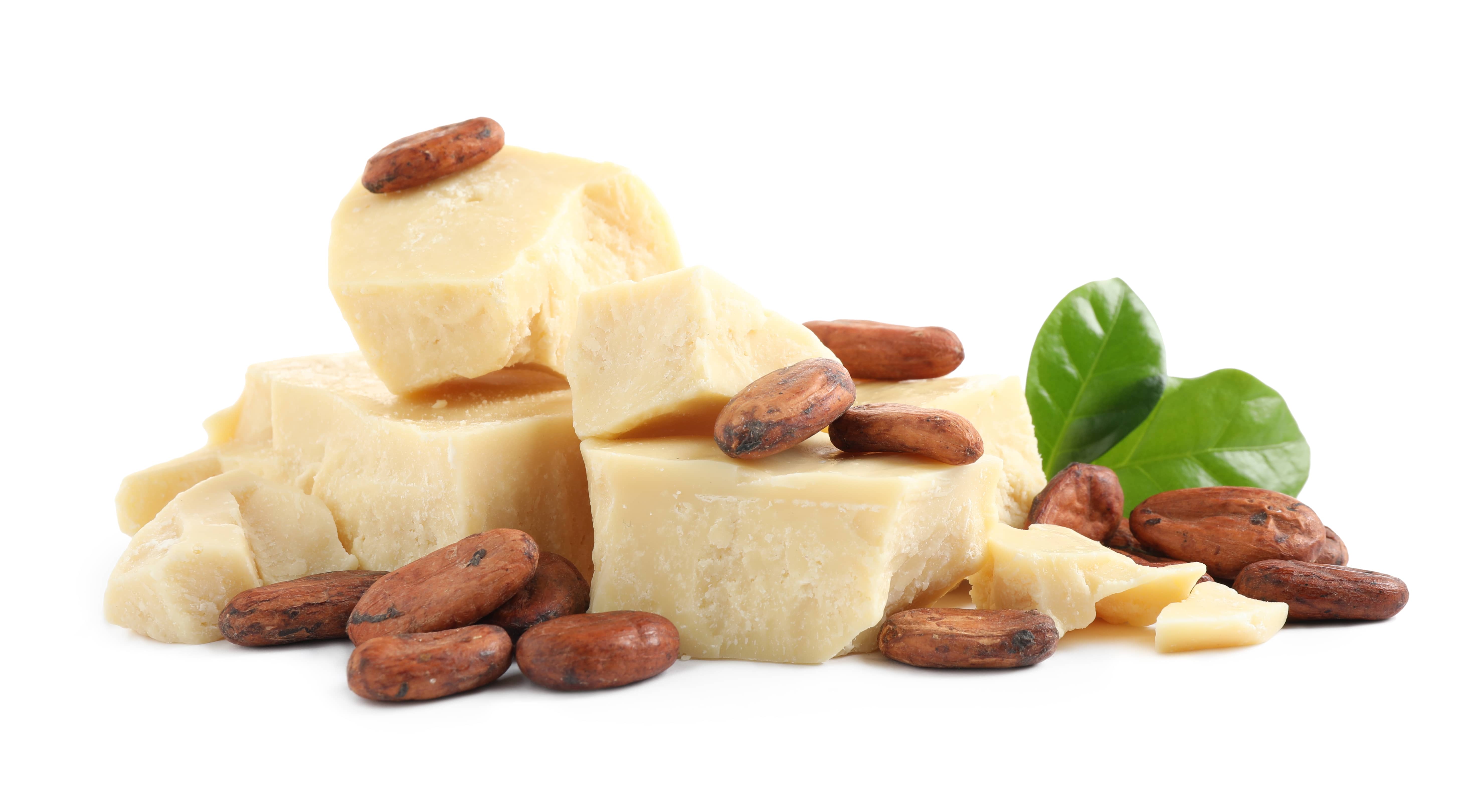
Cocoa butter is the ivory-colored natural fat of the cocoa bean extracted during the manufacturing process of producing chocolate and cocoa powder. It has a very subtle mellow flavor that gives chocolate its creamy smooth, melt-in-your-mouth texture. The quality of the cocoa butter depends on the quality of the bean it came from and the process of separating it from the chocolate liquor. Cocoa butter is solid at room temperature but has a low melting point (just below body temperature), and it changes from a solid to a liquid quickly (i.e. sharp melting point). The quality of chocolate depends on the amount of cocoa butter added during processing. The reason a piece of good chocolate melts immediately when eaten is because the melting point of cocoa butter is the same as our internal body temperature. Inferior brands of chocolate use vegetable shortenings instead of cocoa butter. Cocoa butter is the base of white chocolate along with milk solids, sugar, vanilla and lecithin. Cocoa butter is expensive and is used both for cosmetics and baking (thinning chocolate, candy making, coating marzipan figures for shine and preventing them from drying out too fast). It is mainly found through mail order sources. Store cocoa butter in an airtight container and it will keep for several years in the refrigerator.
Cocoa Powder
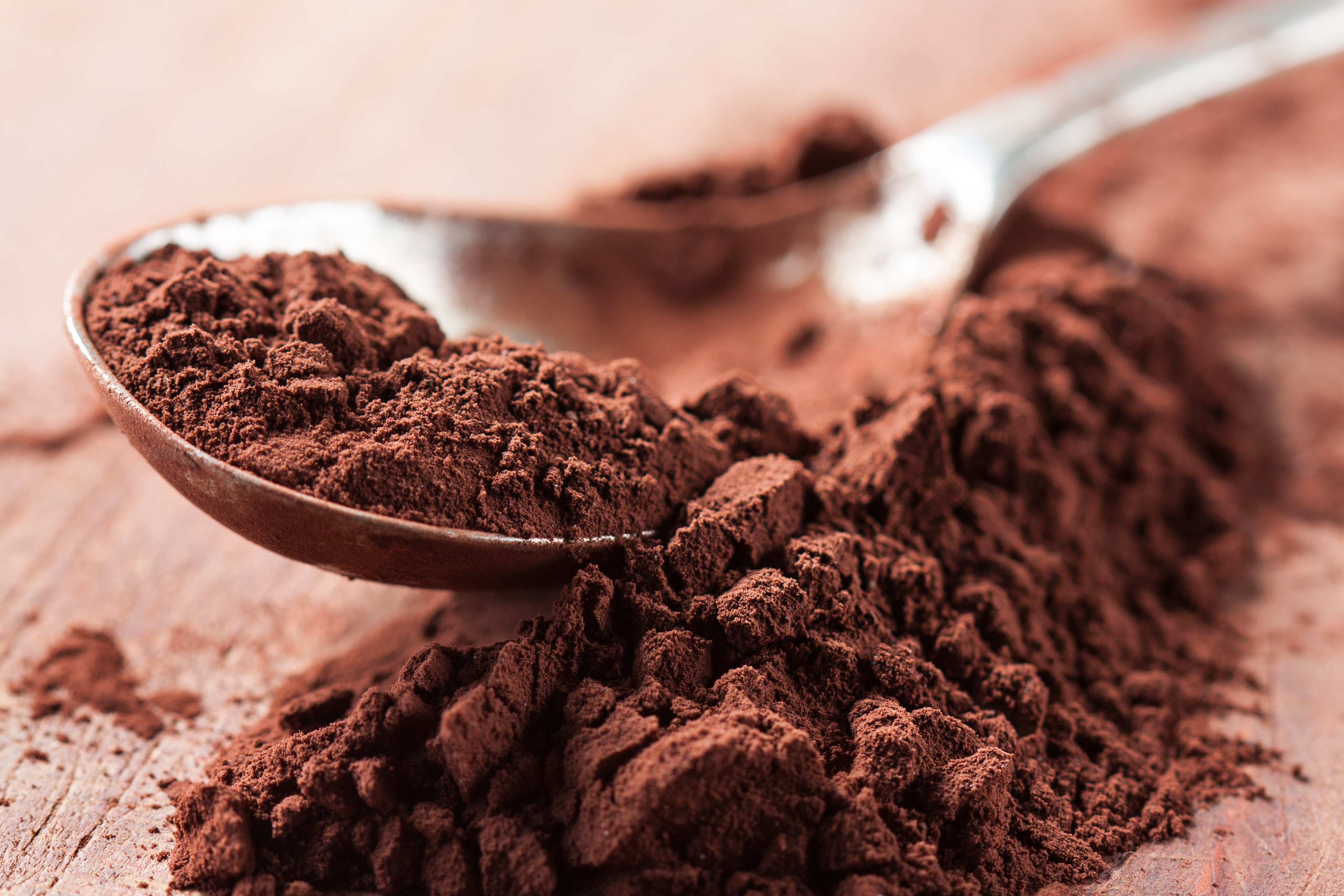
Cocoa powder is made when chocolate liquor is pressed to remove three quarters of its cocoa butter. The remaining cocoa solids are processed to make fine unsweetened cocoa powder. There are two types of unsweetened cocoa powder: natural and Dutch-processed.
Dutch-processed or alkalized unsweetened cocoa powder is treated with an alkali to neutralize its acids. Because it is neutral and does not react with baking soda, it should be used in recipes calling for baking powder unless there are other acidic ingredients used in sufficient quantities. It has a reddish-brown color, mild flavor, and is easy to dissolve in liquids. Its delicate flavor makes it ideal in baked goods like European cakes and pastries, where its subtle flavor complements other ingredients. Lindt, Valrhona, and Pernigotti are some popular brands.
Natural unsweetened cocoa powder tastes very bitter and gives a deep chocolate flavor to baked goods. Its intense flavor makes it well suited for use in brownies, cookies and some chocolate cakes. When natural cocoa (an acid) is used in recipes calling for baking soda (an alkali), it creates a leavening action that causes the batter to rise when placed in the oven. Popular brands are Hershey's, Ghirardelli, and Scharffen Berger.
The Role of Cocoa Powder in Cakes
When used alone in cakes, cocoa powder imparts a full rich chocolate flavor and dark color. Cocoa powder may be used in recipes with other chocolates (unsweetened or dark) and this combination produces a cake with a more intense chocolate flavor. Most recipes call for sifting the cocoa powder with the flour, but it can be combined with a small amount of boiling water to bring out its full flavor. Often, you may notice that more butter and leavening agent are used in recipes containing cocoa powder. This is to offset cocoa powder's drying and strengthening affect in cakes. There are two types of unsweetened cocoa powder: natural and Dutch-processed. It is best to use the type specified in the recipe, as the leavening agent used is dependent on the type of cocoa powder. Some prefer using Dutch-processed cocoa as there is a slight bitterness tasted in cakes using natural cocoa and baking soda.
Cocoa Brownies Recipe Demonstration - Joyofbaking.com
Couverture
The usual term for top quality chocolate is couverture. Couverture chocolate is a very high-quality chocolate that contains extra cocoa butter. The higher percentage of cocoa butter, combined with proper tempering, gives the chocolate more sheen, a firmer “snap” when broken, and a creamy mellow flavor. Dark, milk, and white chocolate are made as couvertures. The total percentage cited on many brands of chocolate is based on some combination of cocoa butter in relation to cocoa liquor. Couverture is used by professionals for dipping, coating, molding, and garnishing. What the percentages do not tell you is the proportion of cocoa butter to cocoa solids. Refer to the nutrition label or company information to find the amounts of each. All things being equal, the chocolate with the higher fat content will be the one with more cocoa butter, which contributes to both flavor and mouthfeel. This will also typically be the more expensive chocolate, because cocoa butter is more valuable than cocoa liquor. Keep in mind that just because two chocolates from different manufacturers have the same percentages, they are not necessarily equal. They could have dramatically differing amounts of cocoa butter and liquor, and dissimilar flavors, and substituting one for the other can have negative effects for your recipe. Determining the amounts of cocoa butter and cocoa liquor will allow you to make informed decisions on chocolate choices.
German Sweet Chocolate
German's® Sweet Chocolate is a dark baking chocolate created by the Walter Baker & Company employee Samuel German (hence the name), who developed the chocolate in 1852. He thought this type of chocolate would be convenient for bakers as the sugar is already added to it. It is sweeter than semi-sweet chocolate and contains a blend of chocolate liquor, sugar, cocoa butter, flavorings, and lecithin. Baker's® sells this chocolate which can be found on the baking isle of most grocery stores.
The most famous recipe containing German's® Sweet Chocolate is German chocolate cake. This cake is very rich and consists of three layers of moist chocolate cake with a rich, sweet, gooey caramel flavored frosting, laced with coconut and pecans, in between. A German chocolate cake leaves its sides bare, so we can see both the frosting and the layers of chocolate cake.
German Chocolate Cake Recipe Demonstration - Joyofbaking.com
Viscosity
Viscous means “sticky” and the term viscosity refers to the way in which the chocolate flows. Chocolate comes in various viscosities, and the confectioner chooses the one that is most appropriate to his or her needs. The amount of cocoa butter in the chocolate is largely responsible for the viscosity level. Emulsifiers like lecithin can help thin out melted chocolate so it flows evenly and smoothly. Because lecithin is less expensive than cocoa butter, it is used to help lower the cost of chocolate. Molded pieces such as Easter eggs require a chocolate of lower viscosity. That is, the chocolate should be somewhat runny so it is easier to flow into the molds. This is also the case for coating cookies and most cakes, where a thin, attractive and protective coating is needed. A somewhat thicker chocolate is advisable for things such as ganache and flavoring of creams and fillings. Where enrobers (machines to dip chocolate centers) are used, the chocolate may also be thinner to ensure that there is an adequate coat of couverture. Viscosity varies between manufacturers, and a given type of chocolate made by one manufacturer may be available in more than one viscosity. Bakers sometimes alter the viscosity depending on the product. A vegetable oil is sometimes used to thin chocolate for coating certain squares. This makes it easier to cut afterwards.