Sanitation and Safety
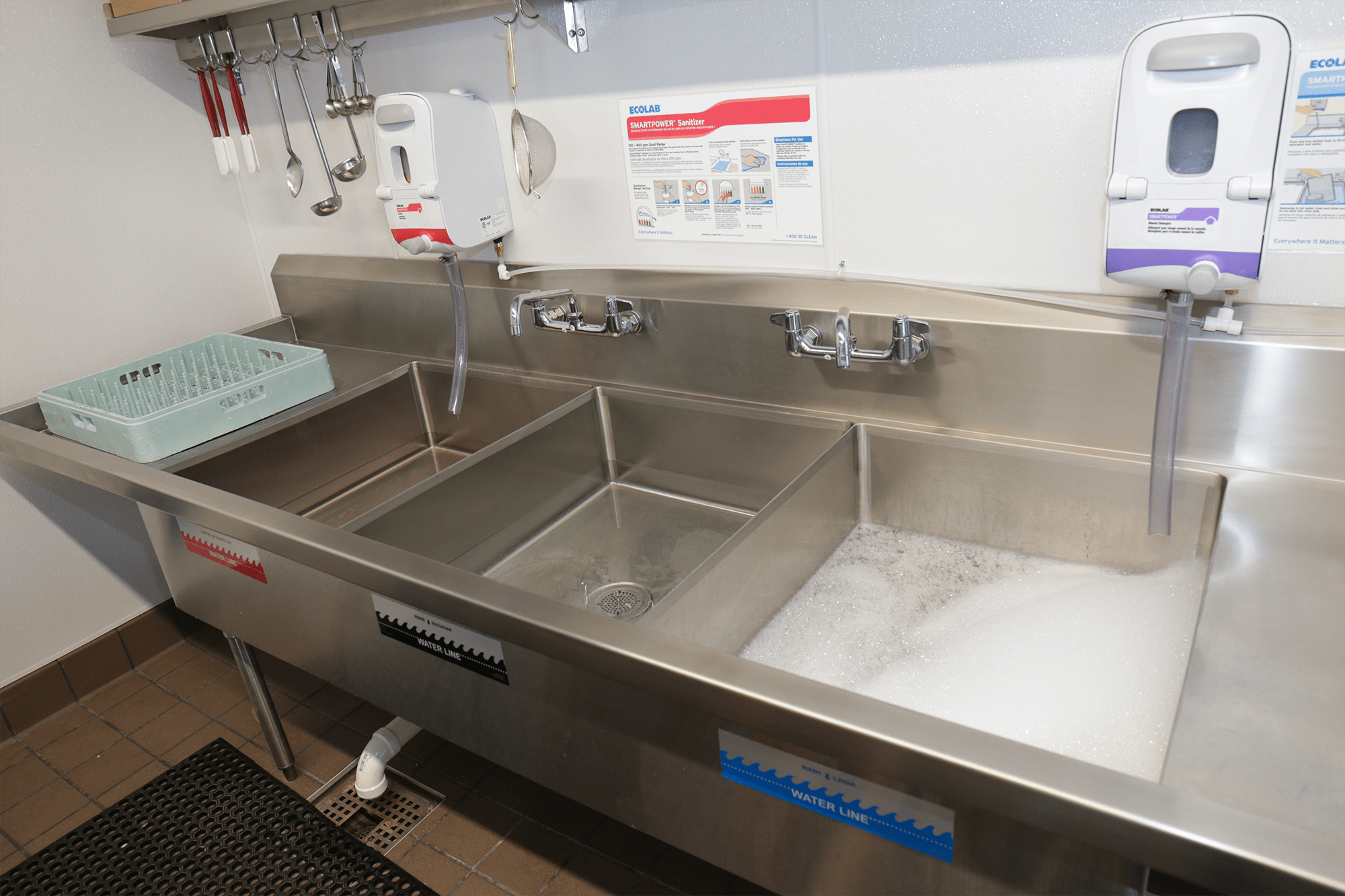
Before we review the bakeshop tools and equipment, a discussion of the importance of adhering to sanitation and safety procedures will need to be reiterated. While in the kitchen environment, weekly expectations are for you to arrive to the baking lab fully dressed in the required Columbus State Community College Culinary Uniform, following the uniform standards listed in the course syllabus. Poor food-handling procedures and unsafe kitchen habits cause illnesses and accidents. Preventing foodborne illnesses is the most critical challenge for the foodservice industry, and a foodservice worker must recognize and understand the sources and preventive measures. Regular handwashing before, during and after each task will be expected and monitored as you move through your production. Barehand contact with ready to eat food, food that does not require any further cooking, cutting, or washing, will result in a failing grade. Similarly, you are expected to wash, rinse and sanitize all of your own pots, pans, and utensils. Attention to detail to each item for cleanliness is very important. Would you cook with dirty, greasy pots and pans at home? Clean as you go. Pots and pans can accumulate very quickly in the Bakeshop. If you do not stay on top of them you will find the largest part of your day will be washing dishes. Remember, the quality of your product can only be measured by how safe it is. Keep all of the cold food cold (41º or lower) and hot food hot (135º or higher) and you will have a successful bakeshop journey. You will be handling a great deal of tools and equipment used primarily in the bakeshop. The following list provides you with an introduction of the equipment items and their uses. Equipment, such as, rubber spatulas, tongs, convection ovens and a 20-quart mixer and attachments. You will not use all of these tools and equipment within the eight-week course, but you should have a general understanding of the uses and the many tasks you will learn to perform in the future.