Heavy Equipment
Proofing Box
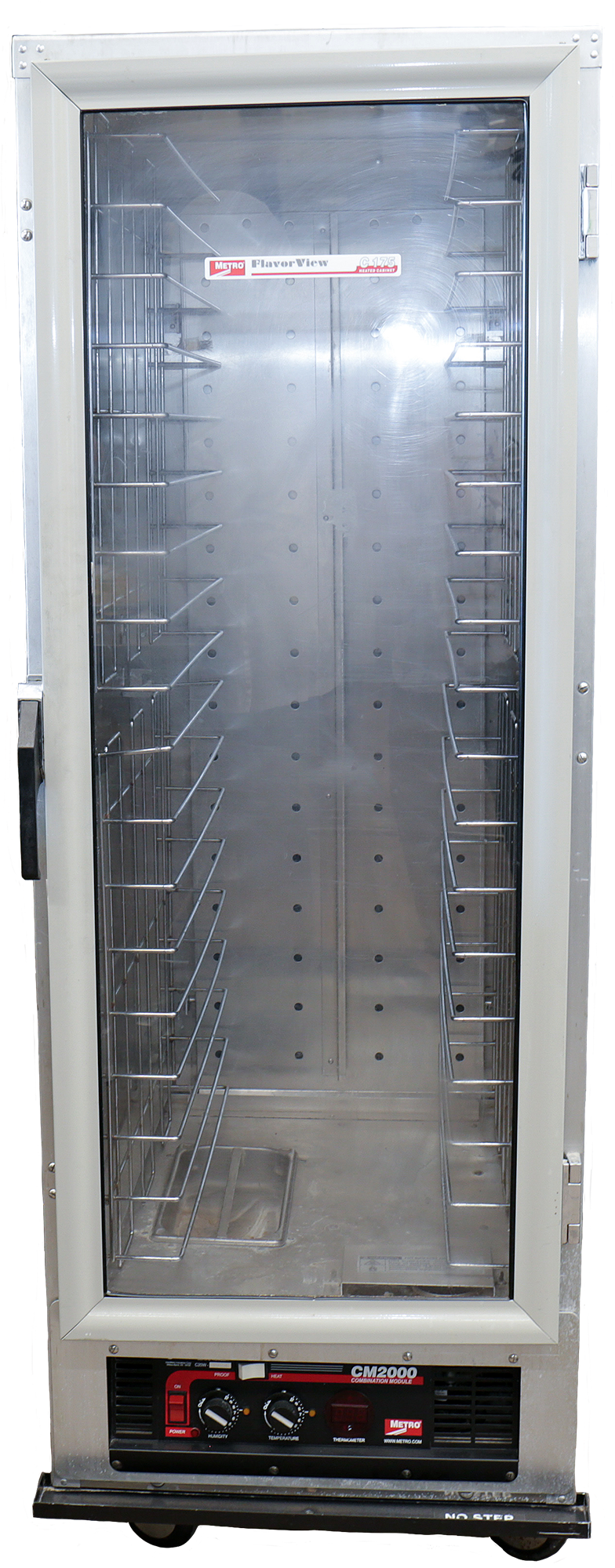
This is a temperature and humidity controlled cabinet that provides the perfect environment for biological leaveners (yeast) to actively grow and produce CO2 . They are equipment with a water pan with a heating element that can be adjusted to meet your formula’s specification.
Dough Retarder
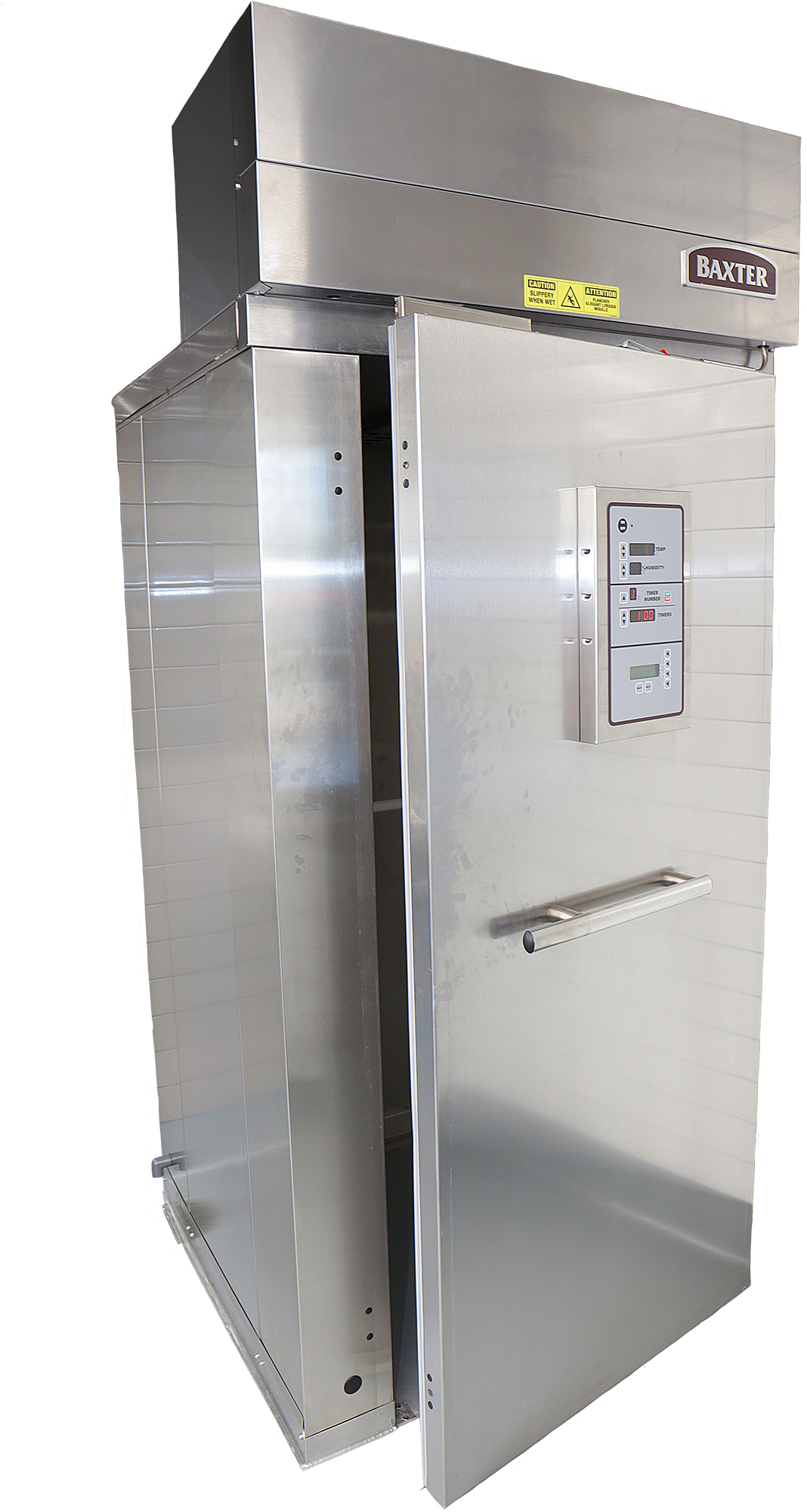
This a refrigerated unit used to retard doughs, or slow down the fermentation and proofing process. It is used in the fermentation of yeast leavened products. The colder temperatures of the dough retarder slow down the activity of the yeast resulting in a more complexed flavor profile. Additionally, colder fermentation and proofing is needed for rich doughs that have a high fat content to prevent the fat from melting too quickly at higher temperatures.
Dough Sheeter
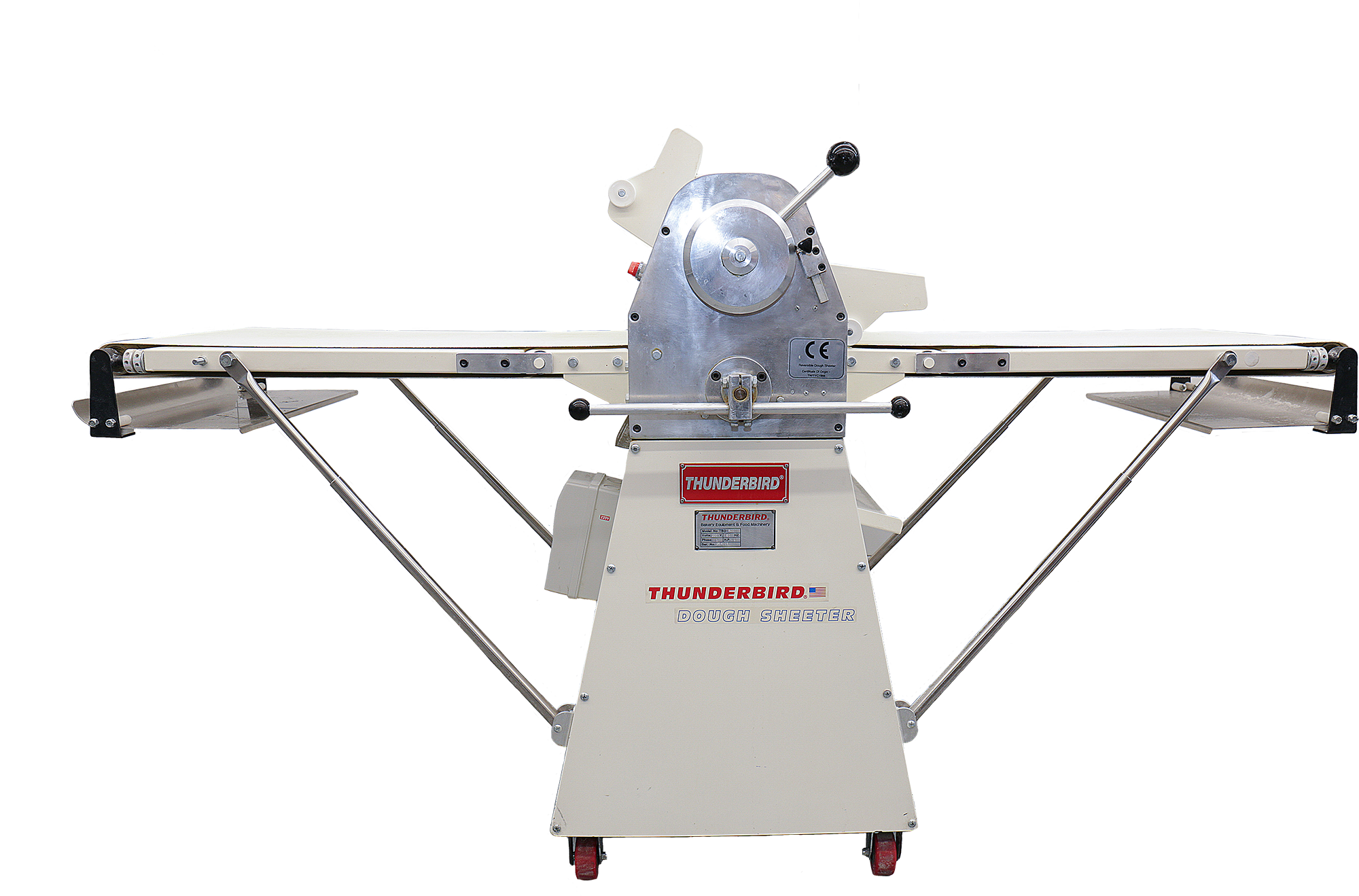
Used in the production of laminated doughs, the machine has two adjustable stainless-steel rollers on each end, along with the two conveyor belts. The dough is produced using the standard procedure for puff pastry dough, croissants, or Danish dough by allowing the dough to pass through the rollers, first with a height setting just lower than the thickness of the dough, then with each pass the rollers are lowered gradually until the desired thicken is achieved in the dough. With the folding, turning and pressing the dough sheeter creates several layers of fat. Through the baking process the moisture in the dough turns to steam which in turn leavens the dough creating a light flakey texture.
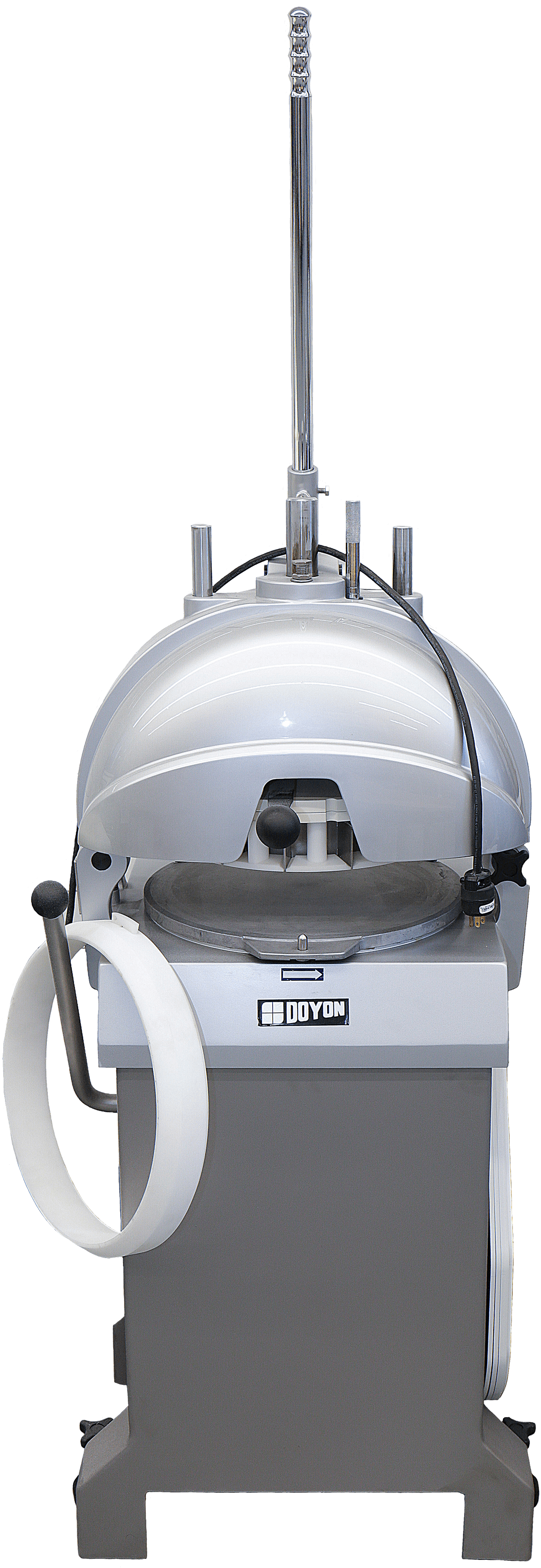
Dough Divider-Rounder
A machine that cuts dough into smaller equal sized pieces, then automatically rounds the individual portions.
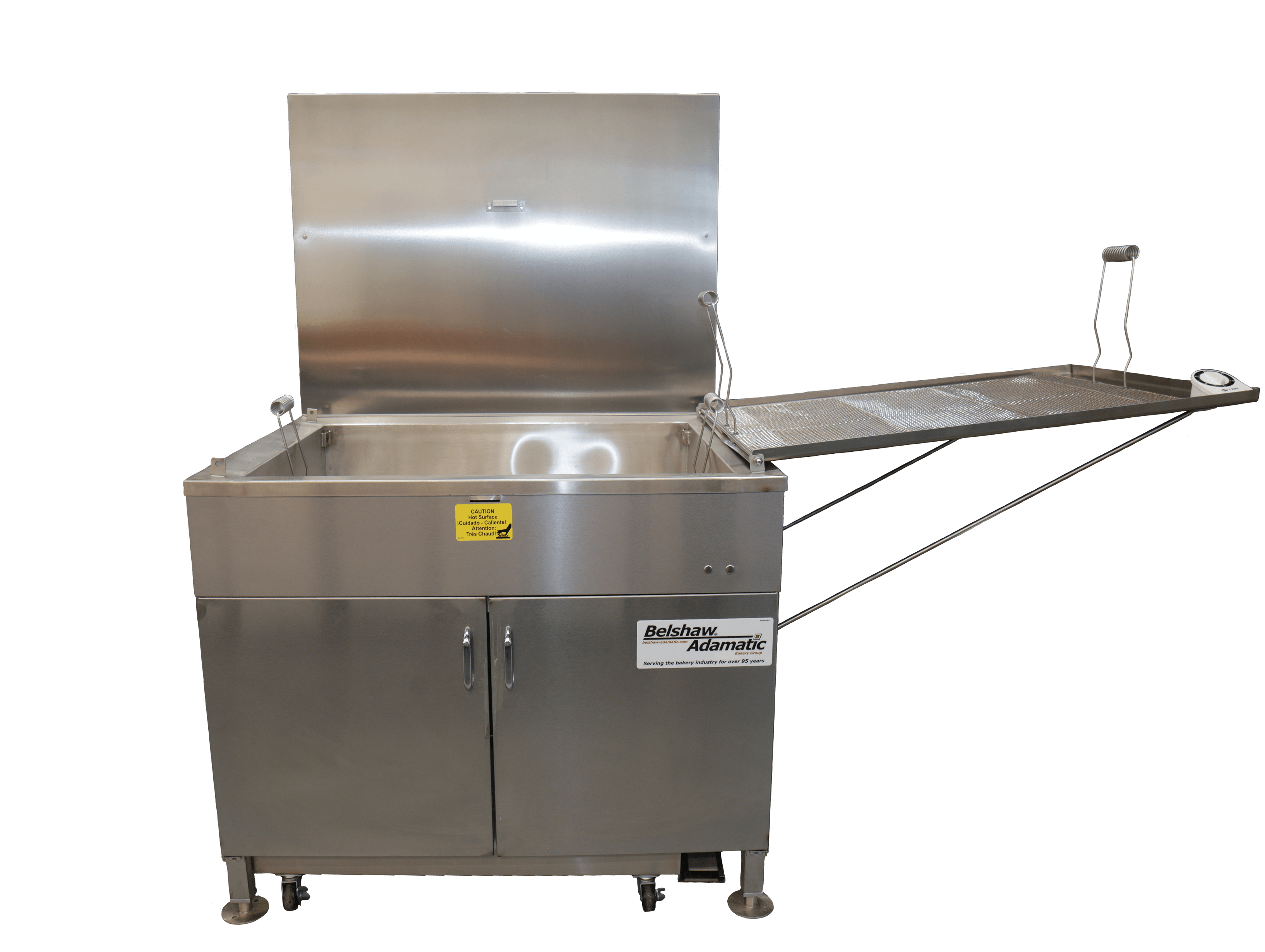
Doughnut Fryer
Larger doughnut fryers are best for making doughnuts in quantity. The Baker arranges the proofed doughnuts on the screen, and then manually lowers the screen into the hot fat by using the two side handles.
Ovens
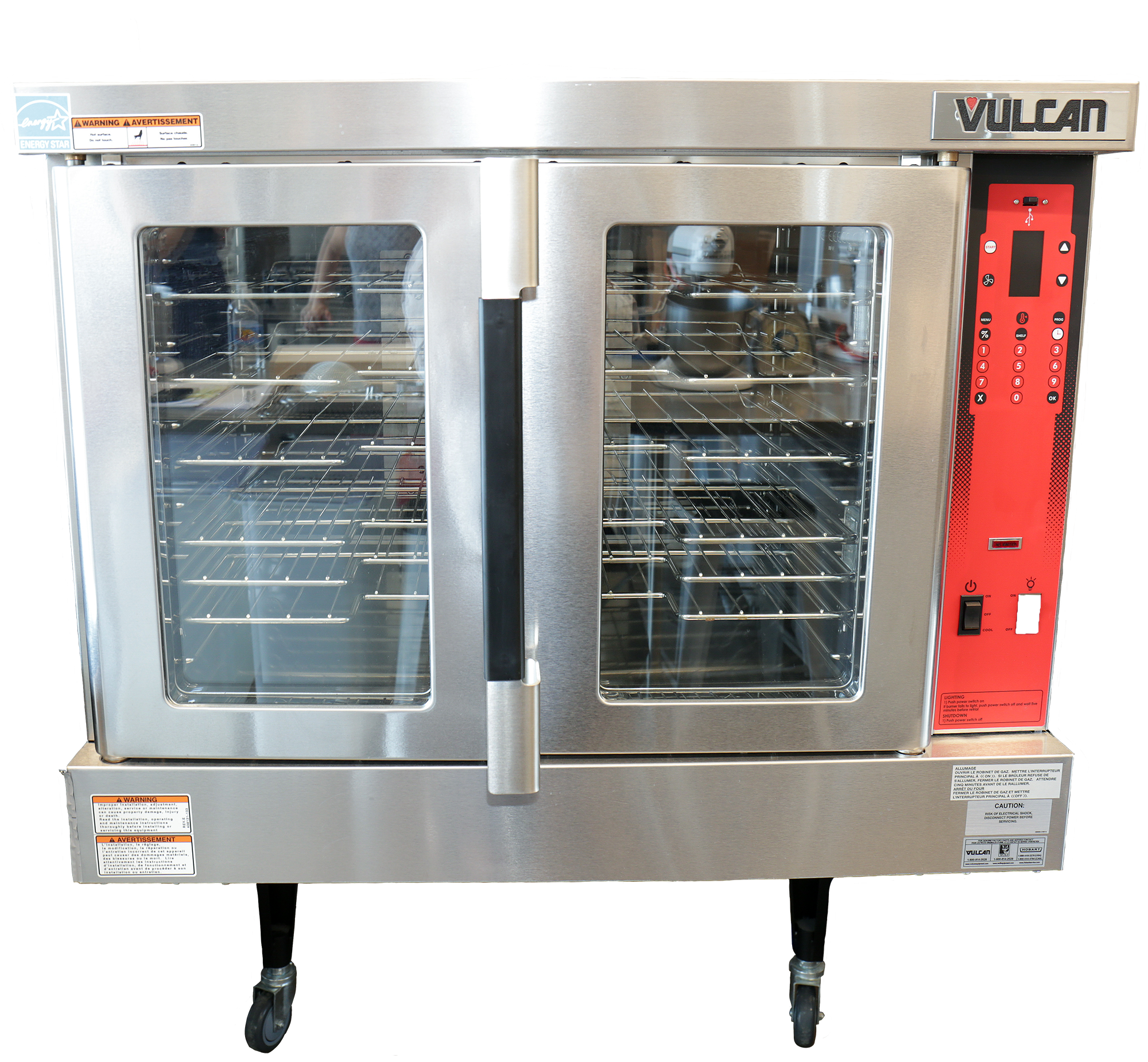
Many types of ovens exist in the commercial bakeshop. They are either going to be conventional, heat that fills an enclosed chamber, or convectional, which has the same definition, however, the heat is dispersed throughout the chamber with the aid of a fan. Convectional ovens are the primary style you will see in the industry. The advantages are they cook faster than their conventional counter parts. There is a need to adjust the temperature and time for each of your recipes, if this is not already factored in. In general, you will decrease the baking time by 10-15 minutes and lower the temperature by 25-50º. It is important to note that when using convectional ovens, it is necessary to turn the product 180º half way through the baking process. As technology progresses more energy efficient models are becoming available, such as induction ovens. These create friction through magnetism and may require an investment in magnetized metals. Additionally, combination ovens have become popular. These allow the single or dual use of dry heat or steam, whereby eliminating the need to purchase multiple kinds of equipment. Rotary ovens make large scale baking easy by having their shelving unit portable. The racks are fitted with wheels and allow the baker to move it to the workstation to load the product. When filled they can be wheeled into the chamber and when engaged the rack spins in a circular motion that promotes even baking.