Basic Fundamentals in the Production of Frostings and Icings
What is the proper name for that sweet sugary mixture used to fill and cover cakes, pastries and other confections? The answer may depend on where you live. Americans tend to use the word 'frosting'. Other countries tend to use the word 'icing'. The name 'icing' probably has something to do with the fact that 'confectioners' or 'powdered' sugar, is known as 'icing' sugar. Hence, combining icing sugar with other ingredients makes an 'icing'. The fact is that 'frosting' and 'icing' are the same thing and food writers use them interchangeably.
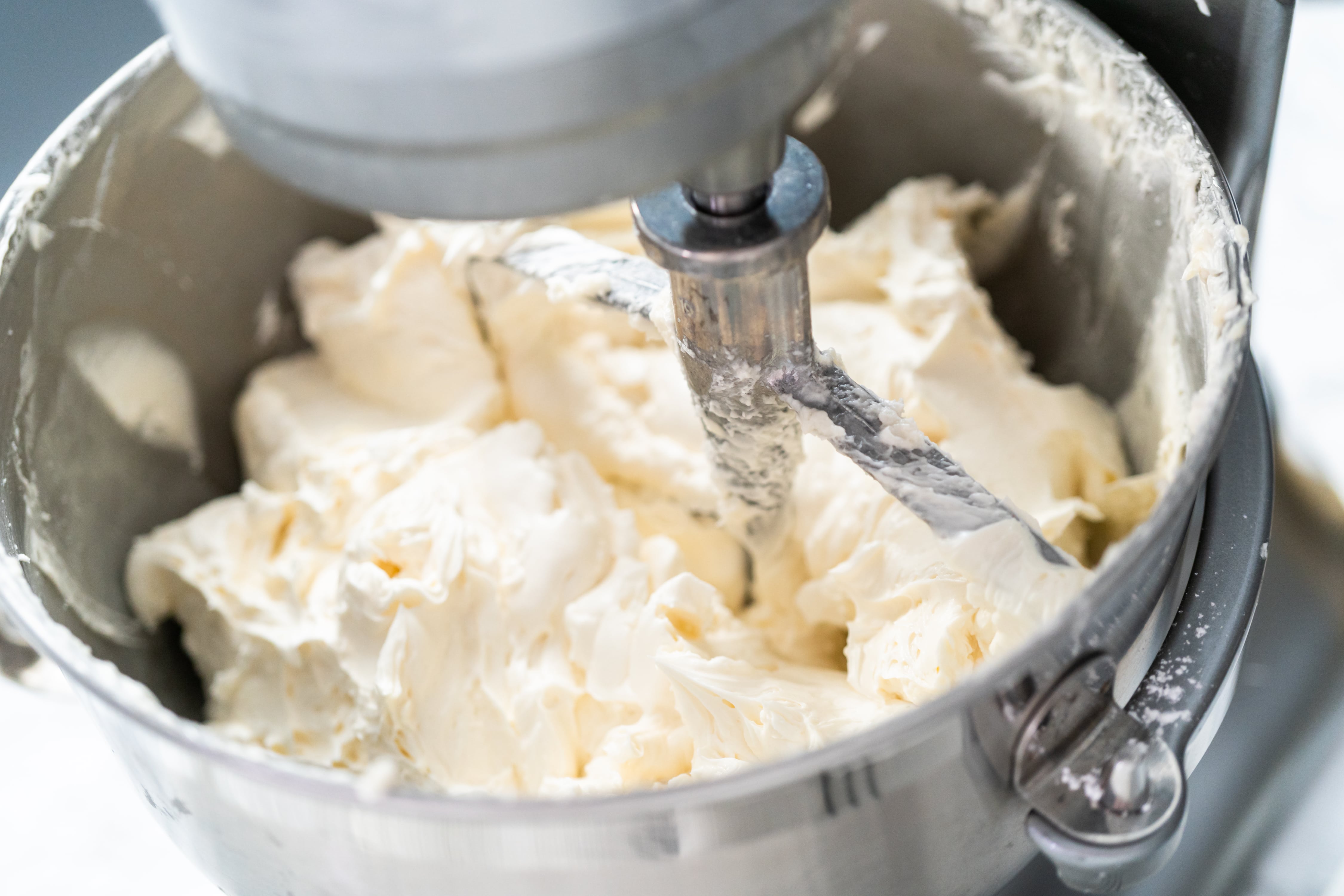
There are numerous types of frostings (icings), both thick and thin, cooked and uncooked, starting with a simple mixture of powdered sugar and water, to beating hot sugar syrup into stiffly beaten egg whites, cooling and then beating in softened butter to make what is called an Italian Buttercream. It is important in deciding what type of frosting to use to match the icing to the baked product. That is, the icing should complement the flavors and texture of the frosted dessert. For example, a cinnamon bun (roll) is wonderful drizzled with a simple icing of powdered sugar and milk, but, this would not be suitable for frosting a chocolate butter cake. A rich buttercream will perfectly complement a butter cake, but might overpower a delicate sponge. In addition, the frosting used to fill the cake can be different from what it used to cover the top and sides of the cake. A white butter cake is lovely when filled with lemon curd and raspberry puree, then encased in white buttercream or confectioners frosting.
It is very important that the frosting be the proper consistency so it spreads easily over the baked good, yet at the same time adheres to the surface. Never frost a cake or any other pastry that is still warm as the frosting will melt into the baked good or become too thin and run. Also, be sure to brush all loose crumbs from the baked good before frosting to ensure a smooth finish, as you do not want your finished product laced with crumbs. Some soft cakes benefit from first covering the cake with a very thin layer of icing (called a crumb coat), letting it dry, and then frosting. Oftentimes those soft and delicate cakes, besides being crumb coated, frozen first before frosting so not to fall apart. Just make sure you defrost the frosted cake before serving.