Milk Products
Sweetened Condensed Milk
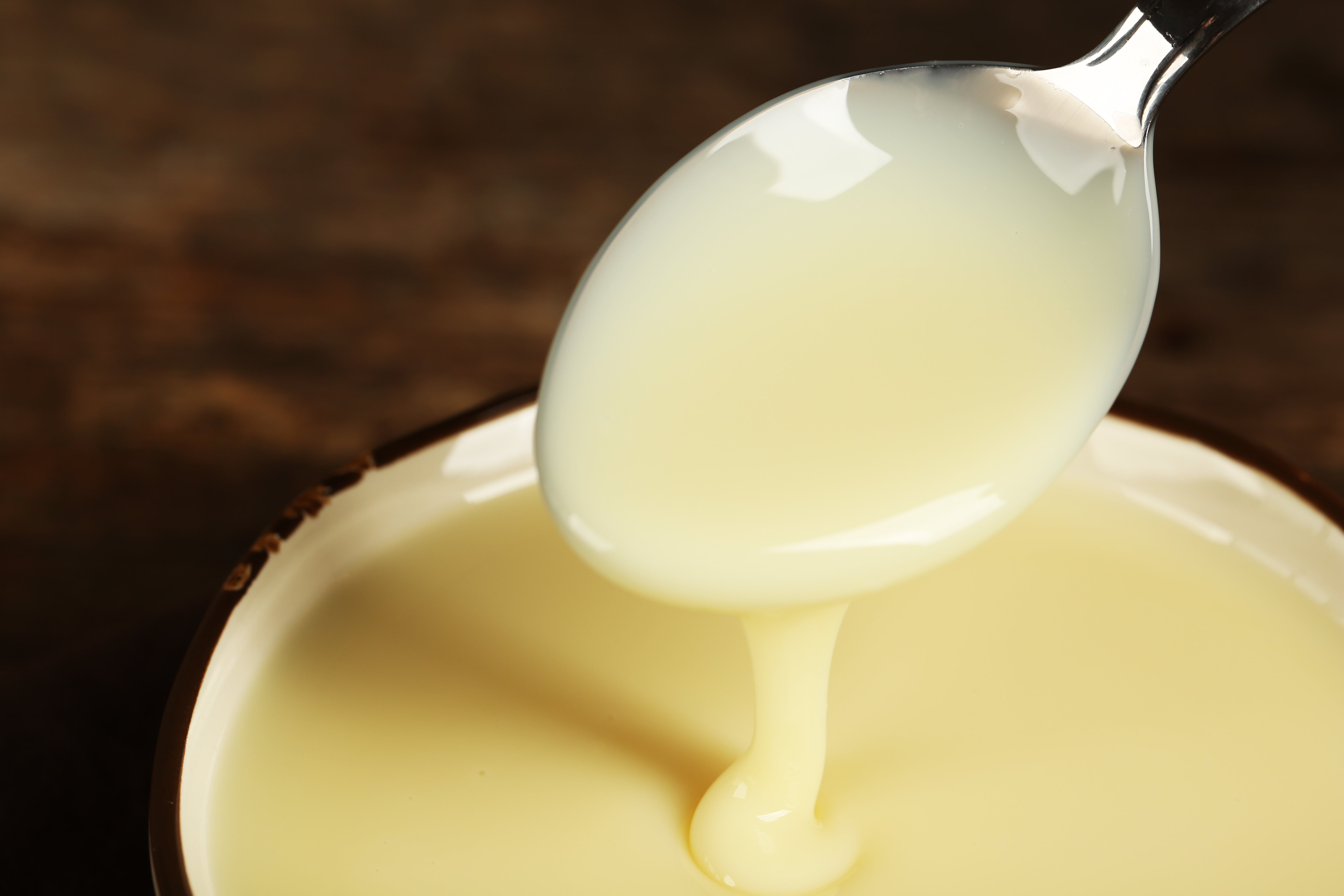
Sweetened condensed milk is a viscous, sweet-colored milk made by condensing milk to one-third of its original volume, which then has sugar added. Condensed milk is a mixture of whole milk and 40% sugar, heated until 60% of the water evaporates, creating a sticky, sweet mixture. Unsweetened condensed milk is referred to as evaporated milk. Unopened, a can will keep for 6 months. Once opened, it will keep for 5 days in the refrigerator in an airtight container.
Cream
Heavy cream or heavy "whipping" cream has 36 - 40% butterfat and when whipped it holds its form and doubles in volume. Heavy cream is used for filling and decorating pastries.
Whipping cream has a butterfat content of 30%. It whips, but not as well as heavy cream, and will not hold its form long. It is good for fillings but does not hold up well for piping.
Light or coffee cream has 18-30% butterfat.
Half-and-half cream is a mixture of cream and whole milk and contains 10 - 18% butterfat. It is mainly used in beverages and does not whip.
Single cream has a 20% butterfat content and is used in both sweet and savory cooking.
Double (rich) cream has a 48% butterfat content and can be whipped. It is used in pies and sauces.
For best whipping results, the cream should be 48 to 60 hours old and be cold. A stabilizer, some sugar, and flavor are added during whipping. Before adding stabilizer, check the ingredients on the carton; some whipping creams have added agents such as carrageenan, in which case an additional stabilizer may not be necessary.
Buttermilk
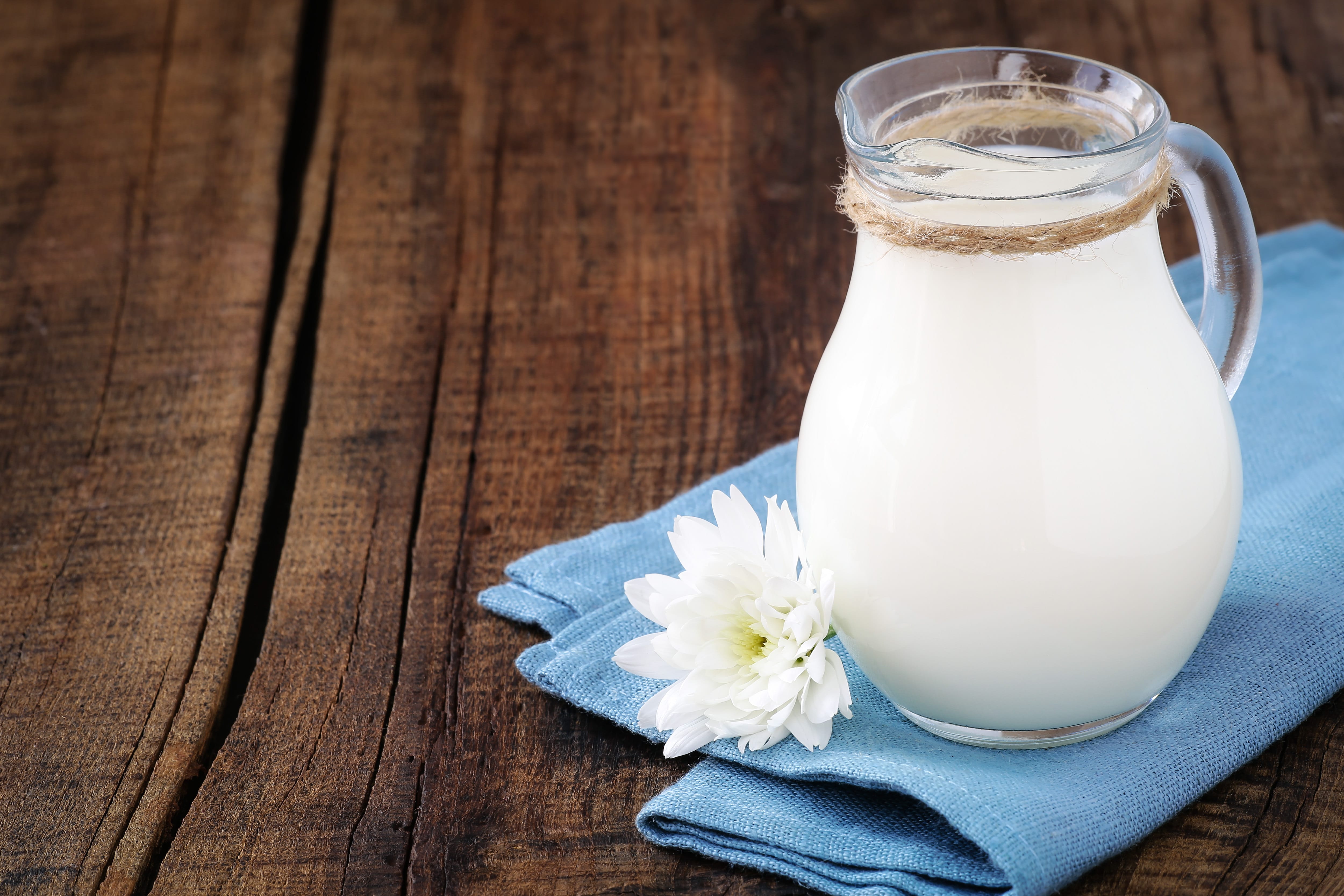
There are two methods to produce buttermilk. The first method is inoculating milk with a specific culture to sour it. The second is churning milk and separating the liquid left over from the butter. The second method is where buttermilk gets its name, but buttermilk is most commonly made using the first method. Buttermilk has a higher acid content than regular milk (pH of 4.6 compared with milk’s pH of 6.6). The fermented dairy product known as cultured buttermilk is produced from cows’ milk and has a characteristically sour taste caused by lactic acid bacteria. This variant using one of two species of bacteria — either Lactococcus lactis or Lactobacillus bulgaricus, which creates more tartness in certain recipes. The acid in buttermilk reacts with the sodium bicarbonate (baking soda) to produce carbon dioxide, which acts as a leavening agent.
Sour Cream
Sour cream is from cream soured by adding lactic acids and thickened naturally or by processing. Milk fat content may vary from 5.5% to 14%. The lactic acid causes the proteins in sour cream to coagulate to a gelled consistency; gums and starches may be added to thicken it. The added gums and starches also keep the liquid whey in sour cream from separating. Sour cream is used in cheesecakes, coffee cakes, and pastry doughs. Low-fat and fat-free sour cream are available. Low-fat sour cream, which is essentially cultured half-and-half or light cream (and usually contains 7% to 10% milk fat), is often satisfactory as a substitute for regular sour cream in baking. These products are higher in moisture and less rich in flavor than regular sour cream.
Crème Fraîche
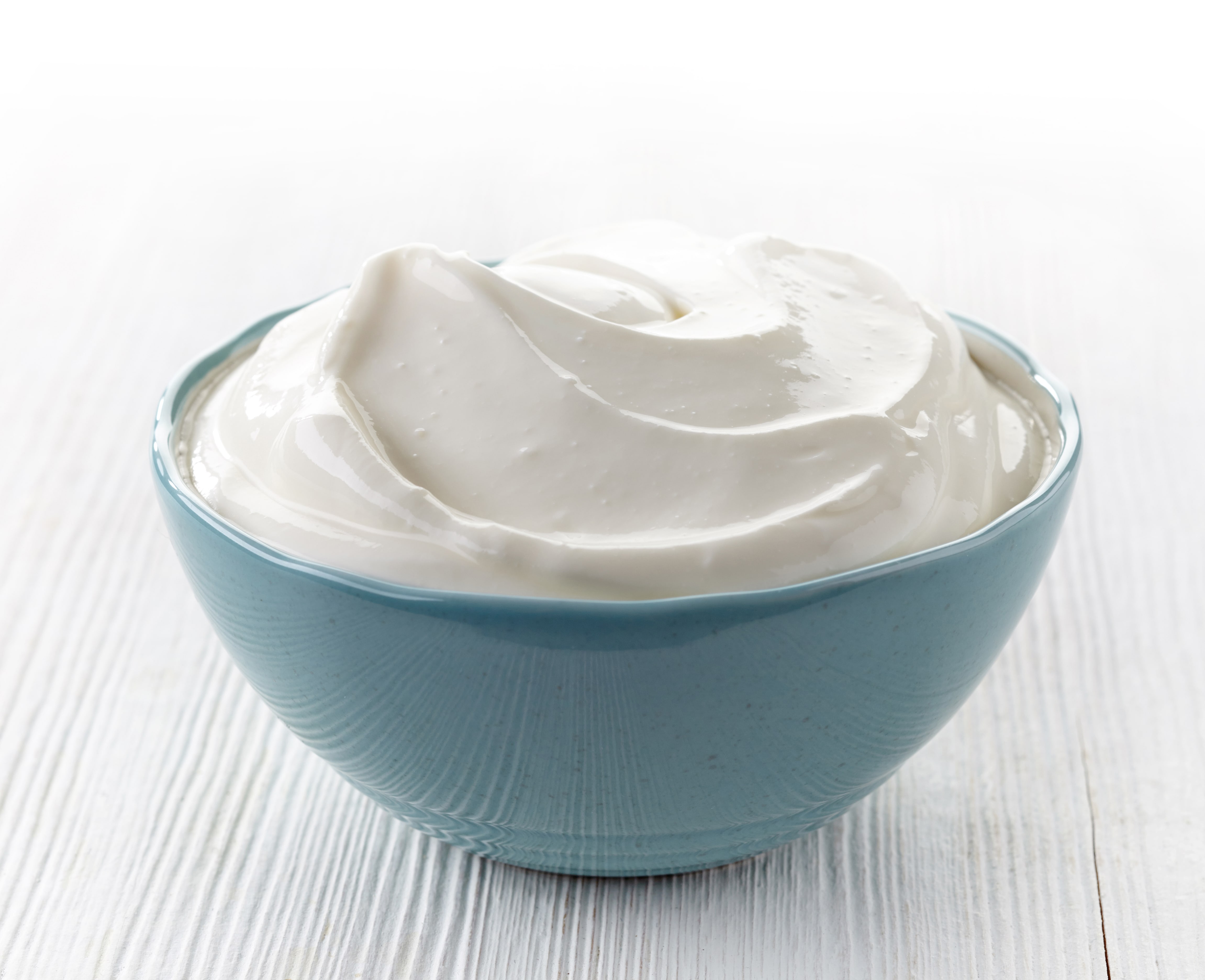
Crème fraîche (pronounced 'krem fresh') is a cream naturally soured. It is thick and soft (like cream cheese) with a smooth and velvety texture. Crème fraîche has a rich and tangy, almost nutty flavor, produced by culturing pasteurized cream with a special bacterium. In France, where it originated, the cream is unpasteurized, so it naturally contains the bacteria necessary to make crème fraiche. You will find that every brand of commercially made crème fraiche tastes a little different because there is no set standard for making this cream and the milk fat content does vary (although it is usually around 30%). Crème fraîche typically contains 30% to 45% milk fat and has a pH of around 4.5. It is traditionally made by setting unpasteurized milk into a pan at room temperature and allowing the cream to rise to the top. After about 12 hours, the cream is skimmed off. During that time, natural bacteria in the unpasteurized milk ripens the cream, turning it into a mildly sour, thickened product.
An effective substitute is made by adding a small amount of cultured buttermilk or sour cream to whipping cream and allowing it to stand in a warm spot for 10 hours or more before refrigerating. As the cream ripens from the growth of the lactic acid bacteria, it thickens and develops a sour flavor. This product is similar to sour cream, but it has a higher milk fat content.
Milk Powder
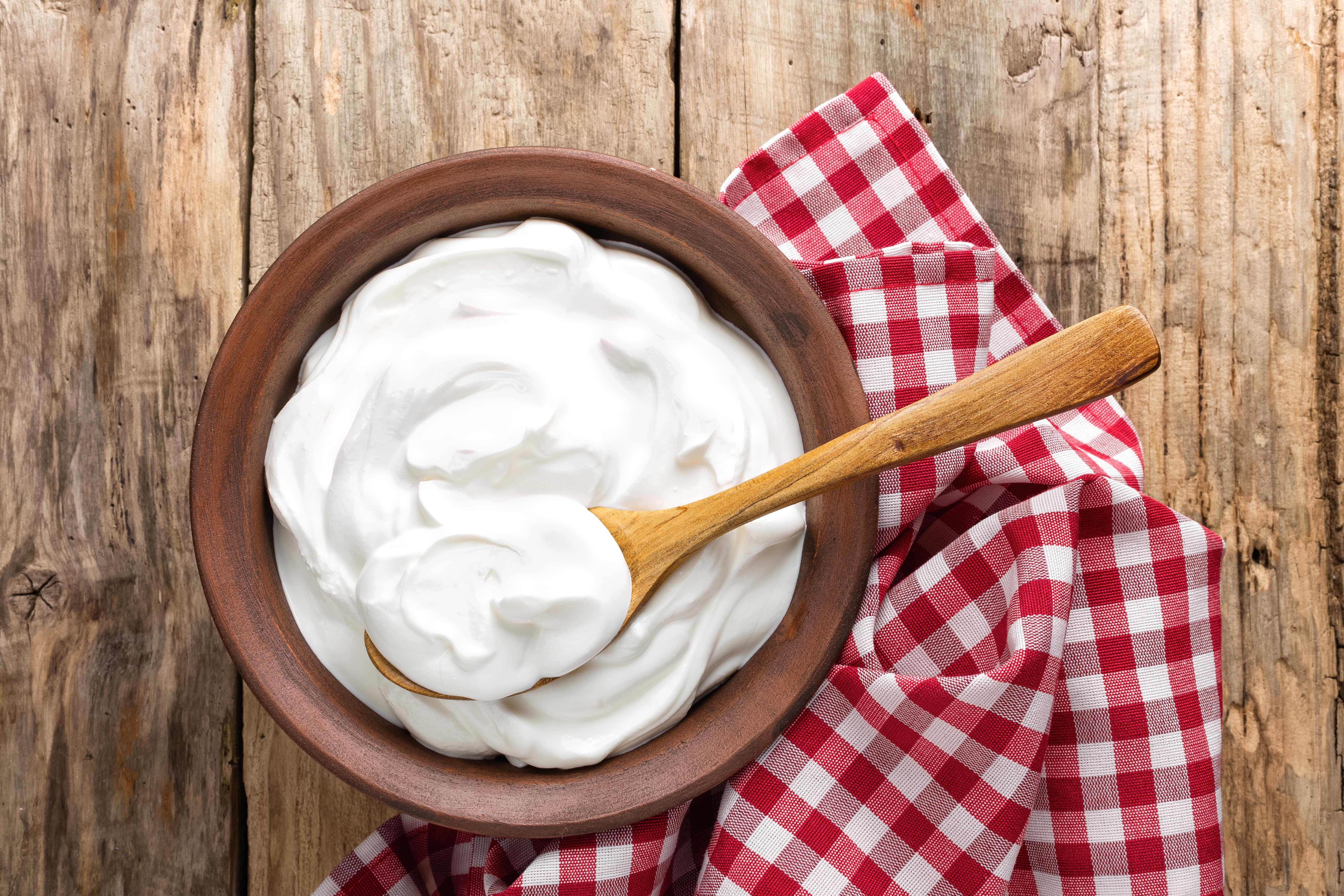
Milk powder is available in several different forms: whole milk, skim milk (non-fat dry milk), buttermilk, or whey. It is first pasteurized, then concentrated with an evaporator, and finally dried (spray or roller dried) to produce powder. Milk powders must contain no less than 95% milk solids, and there are limitations on the moisture and milk fat content. Whey powder consists primarily of carbohydrate (lactose), protein (several different whey proteins, mainly lactalbumins and globulins), various minerals, and vitamins. Whey powder contains approximately 50% of the nutrients in the original milk.
Evaporated Milk
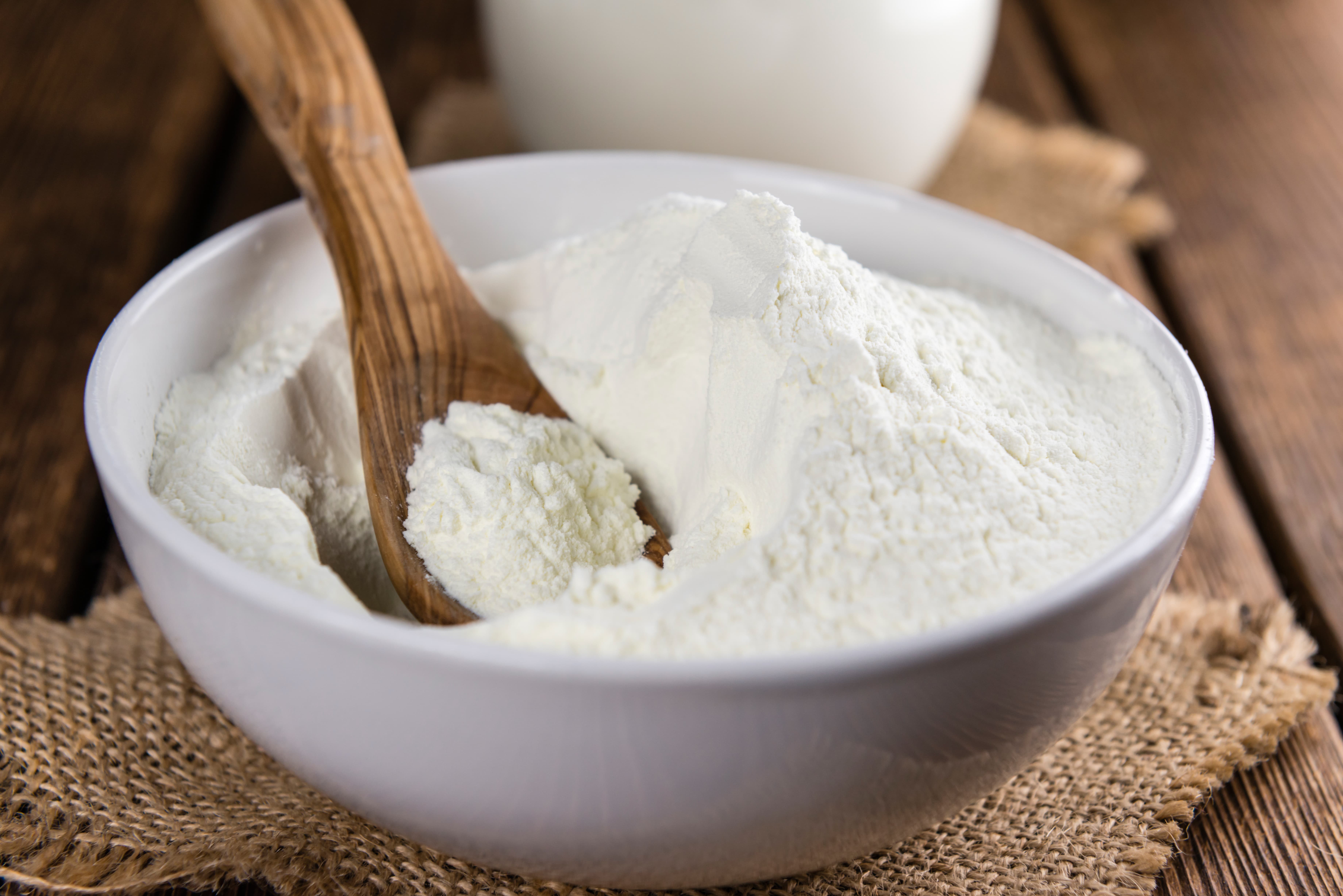
Sometimes called concentrated milk, this includes evaporated whole, evaporated partly skimmed and evaporated skim milks, depending on the type of milk used in its production. All types of evaporated milk have a darker color than the original milk because of a browning reaction between the milk protein and the lactose. After 60% of the water is removed by evaporation, the milk is homogenized, cooled, standardized, and canned. It is sterilized by heating for 10 to 15 minutes (210°F to 248°F). Controlled amounts of disodium phosphate and/or sodium citrate preserve the “salt balance” and prevent coagulation of the milk that might occur at high temperatures and during storage.
Yogurt
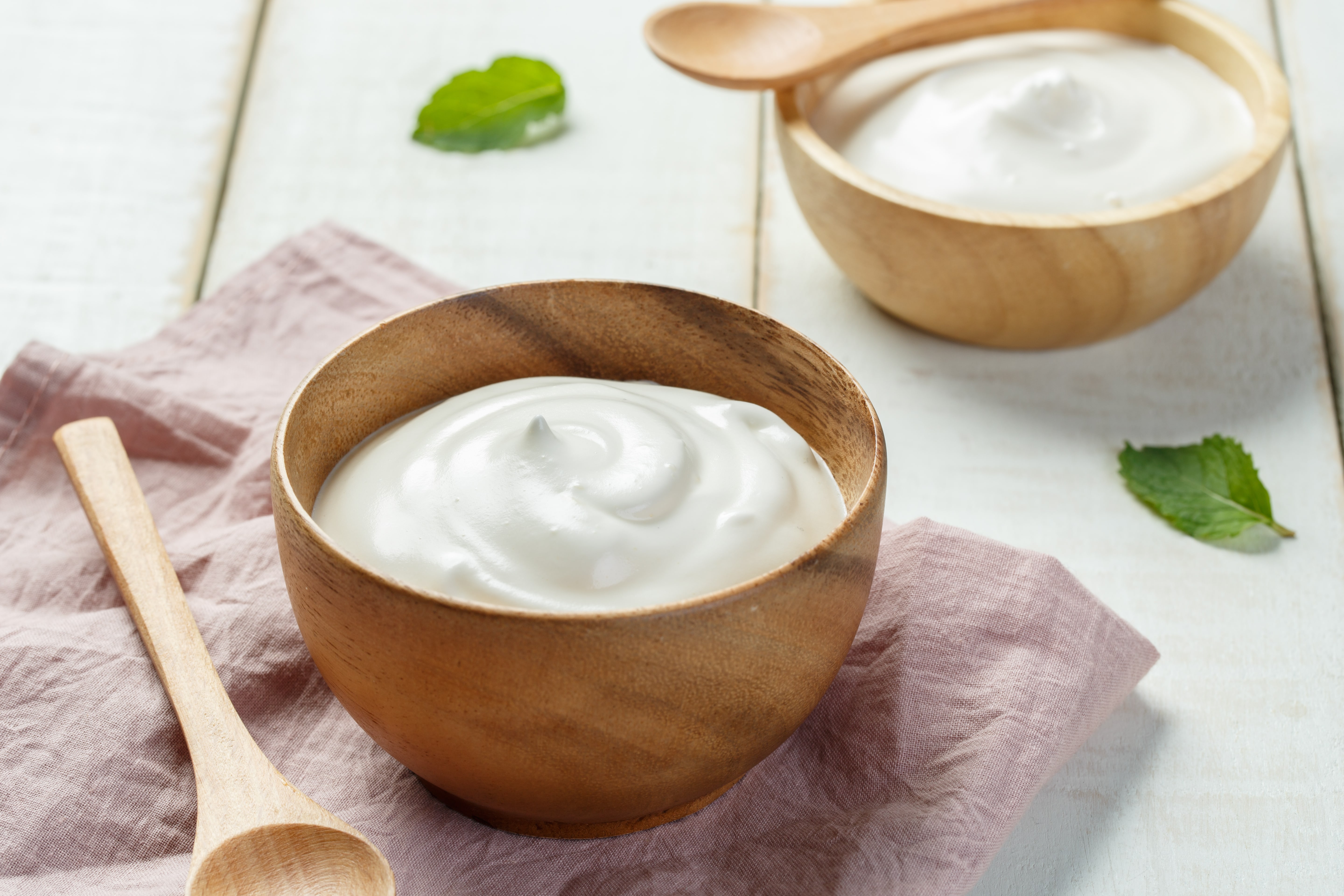
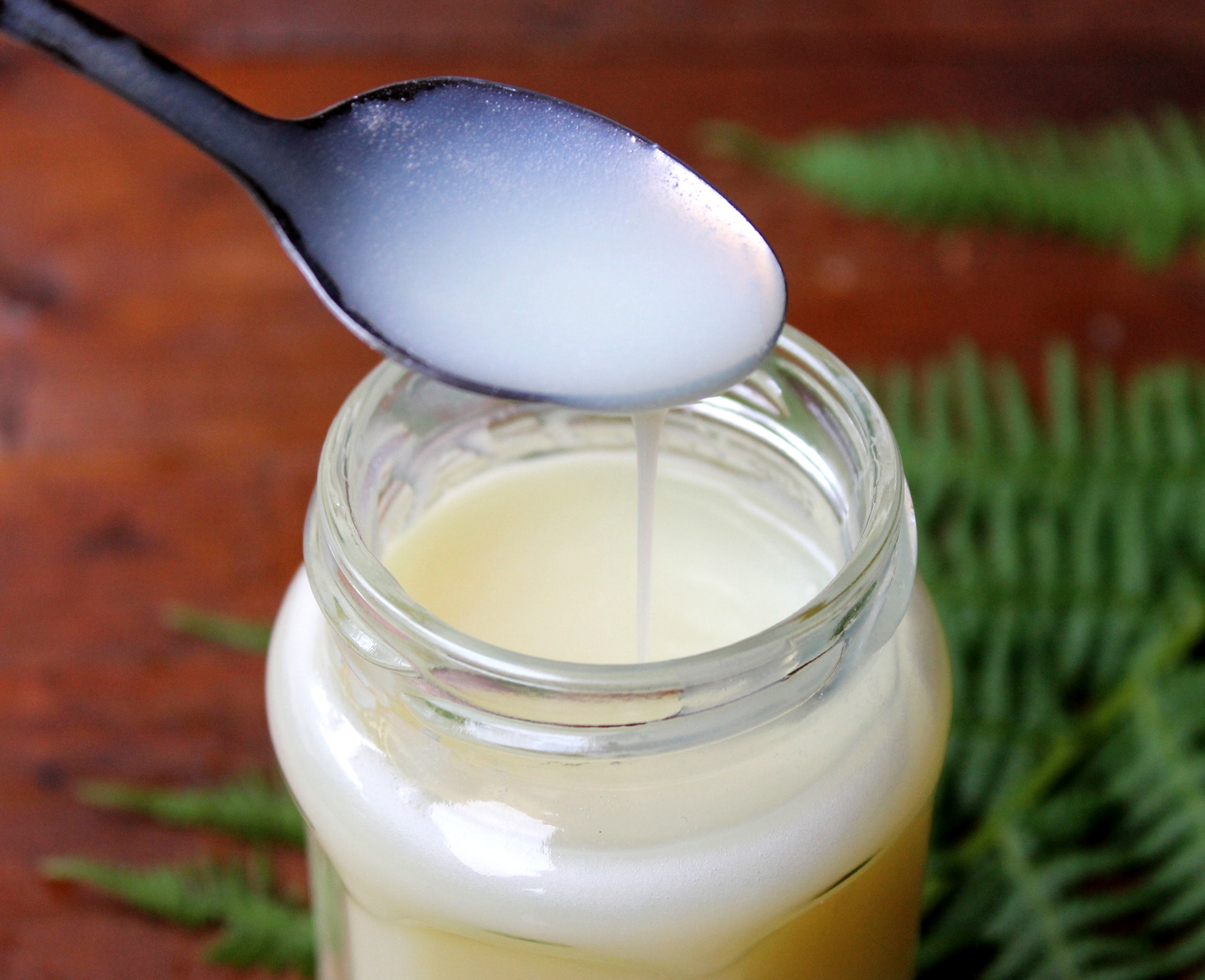
Yogurt is a thick or semi-solid food made from pasteurized milk fermented by lactic bacteria. The milk coagulates when enough lactic acid is produced. Yogurt is a rich, versatile food capable of enhancing the flavor and texture of many recipes. It can be prepared sweetened or unsweetened, and is used in baking to make yogurt-flavored cream cakes, desserts, and frozen products.