Classifications
Bar or Squared
Bar or squared is a soft batter evenly spread into a shallow pan, baked, and cut into individual bars or pieces. The batter is dense and cookie-like in texture. Unlike cookies, where the batter is dropped in mounds on a baking sheet, or formed into individual balls the batter is spread onto the baking sheet. After baking, it is cut into individual portions. Probably the most famous 'bar and square' is the Brownie, which began its life in a Sears, Roebuck and Co. catalog over 100 years ago (1897). Brownies were named because of their dark brown color, not because they contain chocolate. In fact, the first brownie recipes did not even have chocolate in them!
Two Types of Bar Cookies
- One-step- when there is only one layer to the bar: an example the Brownie.
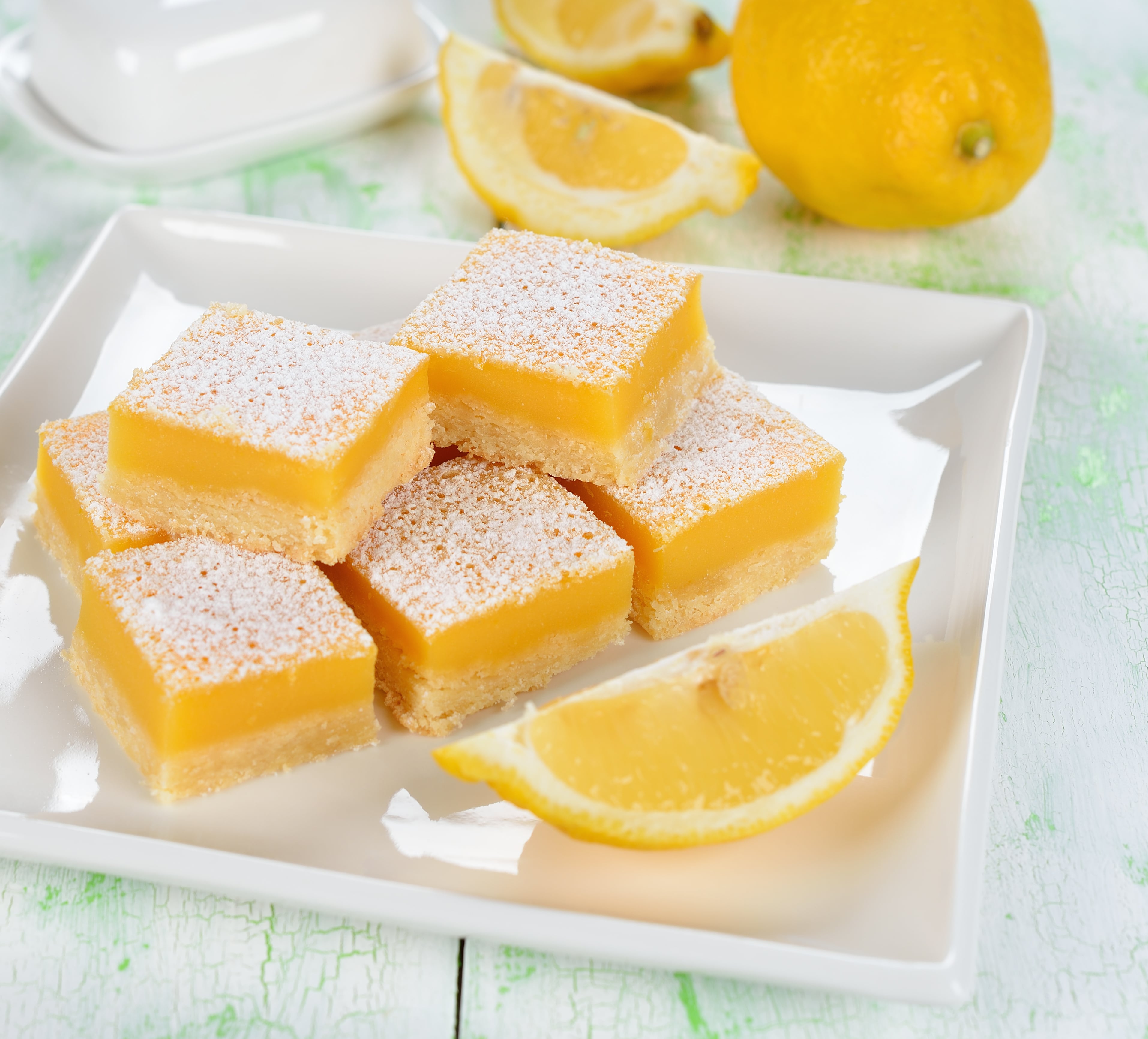
- Two step- when there is more than one layer; often a 'crust' and a 'filling': example Lemon Bars and Nanaimo Bars.
Keep in mind when making squares, use the size of pan called for in the recipe. Otherwise, adjust the baking time when using a different sized pan; this will affect the texture of the bar. Prepare your pan as stated in the recipe, lined with aluminum foil. The foil will need to be long enough that there is some overhang on two opposite sides of the pan, to use as handles so you can remove the bars from the pan after baking.
After baking and cooling the squares, remove them from the pan by lifting the edges of the foil. Place on a cutting board and, using a sharp knife, cut into squares. Trim the hard outside edges first so that every square looks the same. To receive a nice clean cut for each square, wipe your knife between cuts, so have a damp cloth nearby. Use a ruler to mark into equal sized pieces.
Drop
A firm batter is "dropped" onto a baking sheet using a spoon or ice cream scoop. Each cookie should be of equal size and spaced evenly on baking sheet.
Molded or Hand-Formed
A firm batter shaped into balls, logs, etc. or pressed into a mold. Place the cookies on a baking sheet and bake.
Mexican Wedding Cakes Recipe Demonstration - Joyofbaking.com
Piped or Pressed
Cookies made by using a cookie press (gun). This device has a cylindrical barrel with an easy-to-squeeze trigger or press, which "squirts" the soft dough through a decorative template giving all sorts of wonderful looking cookies. All sorts of shapes can be made, such as: wreaths, flowers, trees, rosettes, stars, and stripes, to name a few. In addition, while they are delicious plain, they look so pretty when decorated with candied cherries, nuts, colored sprinkles or sugars. The cookie batter contains only a few ingredients, butter, sugar, an egg, vanilla extract, and flour. Some recipes include baking powder, but I find that the cookies maintain their shape better without it. This cookie needs a good unsalted butter and pure vanilla extract. Mix the cookie dough; creaming the butter with the sugar, beating in the vanilla extract and egg yolks, and then the flour. The dough needs to be of the right consistency: soft enough so it pushes easily through the cookie press, but not so soft. If the dough becomes too soft, refrigerate the dough for about 15 to 30 minutes. In addition, I find it best not to use parchment paper on your baking sheets. The cookies adhere better to a buttered baking sheet chilled in the refrigerator for at least 15 minutes. If no cookie press is available these cookies can be made using a pastry bag fitted with an open star tip.
Spritz Cookies Recipe Demonstration - Joyofbaking.com
Refrigerator or Icebox Cookies
Batter shaped into a log, refrigerated until firm, evenly sliced into rounds, placed on a baking sheet and baked.
Checkerboard Cookies Recipe Demonstration - Joyofbaking.com
Rolled
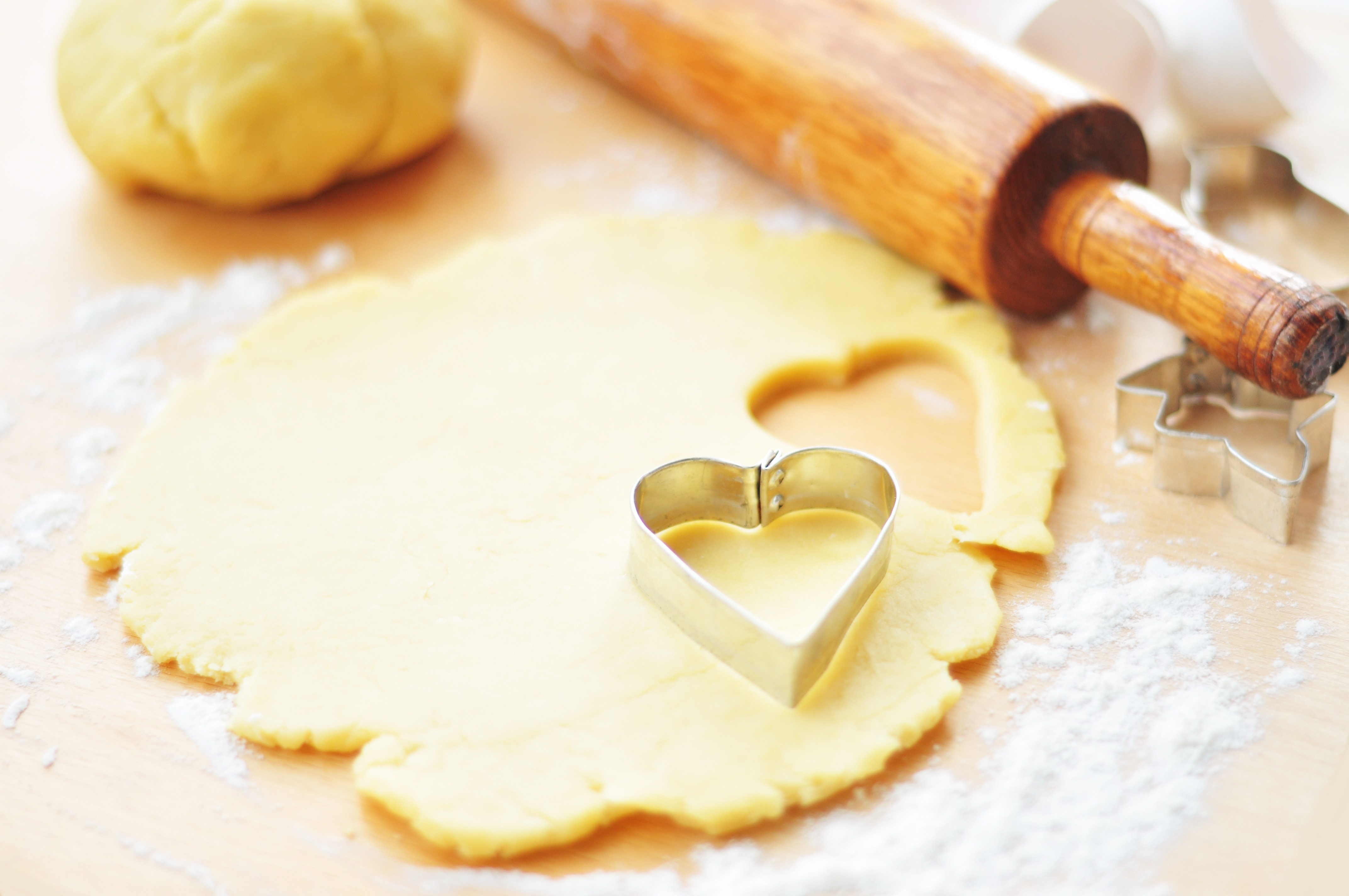
A firm batter rolled into a thin layer, shaped then cut out using a cookie cutter. The cookies placed on a baking sheet and baked.