Understanding Ingredients: Spices and Flavorings in the Bakeshop
Flavors are important in producing the most desirable baked products.
Extracts or essences
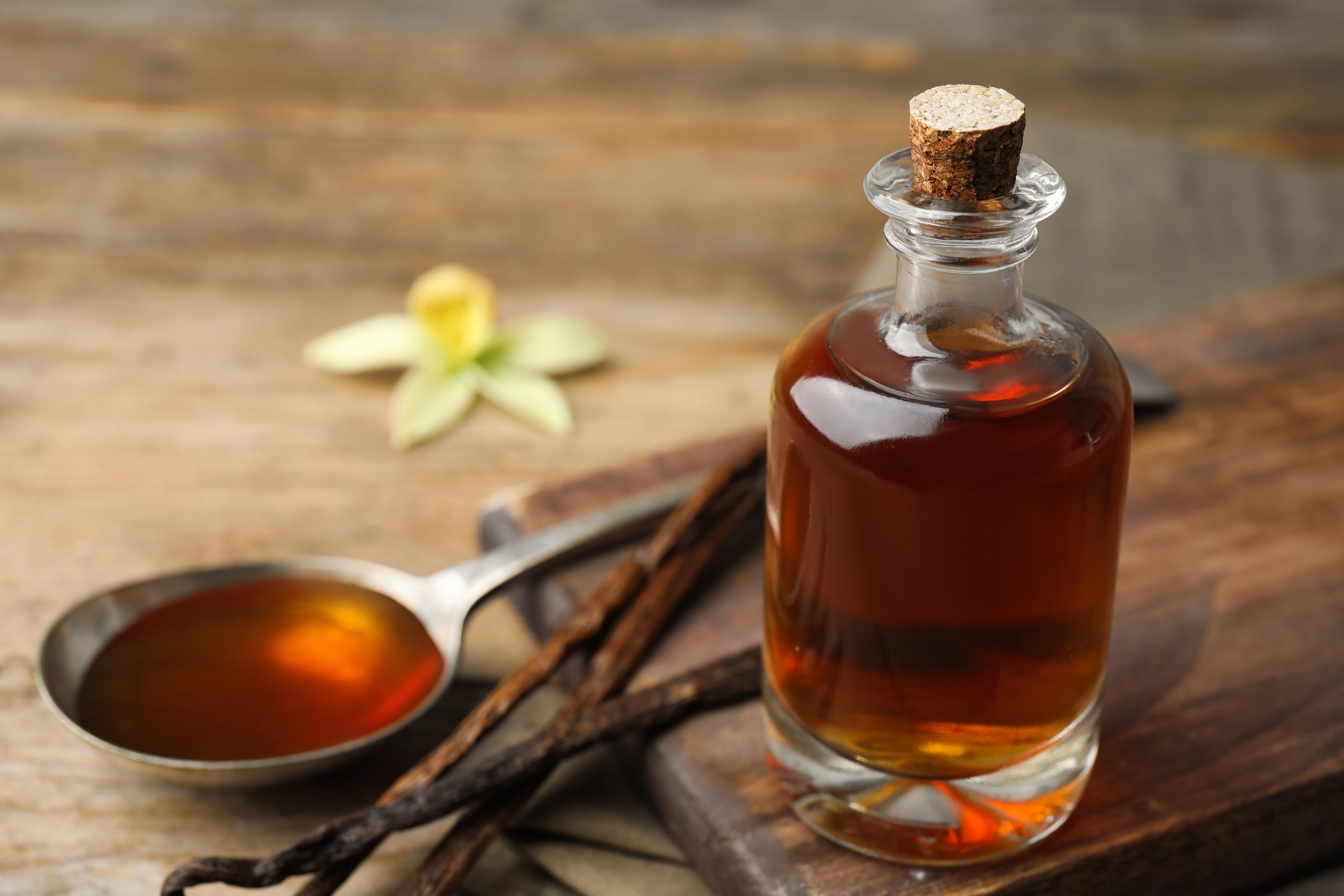
Flavor extracts, essences, emulsions, and aromas are all solutions of flavor mixed with a solvent, often ethyl alcohol. The flavors used to make extracts and essences are the extracted essential oils from fruits, herbs, and vegetables, or an imitation of the same.
Salt
Salt classified as a flavoring material because it intensifies other flavors. These and others (such as chocolate) enable the baker to produce a wide variety of attractively flavored pastries, cakes, and other bakery products.
Fruit flavors
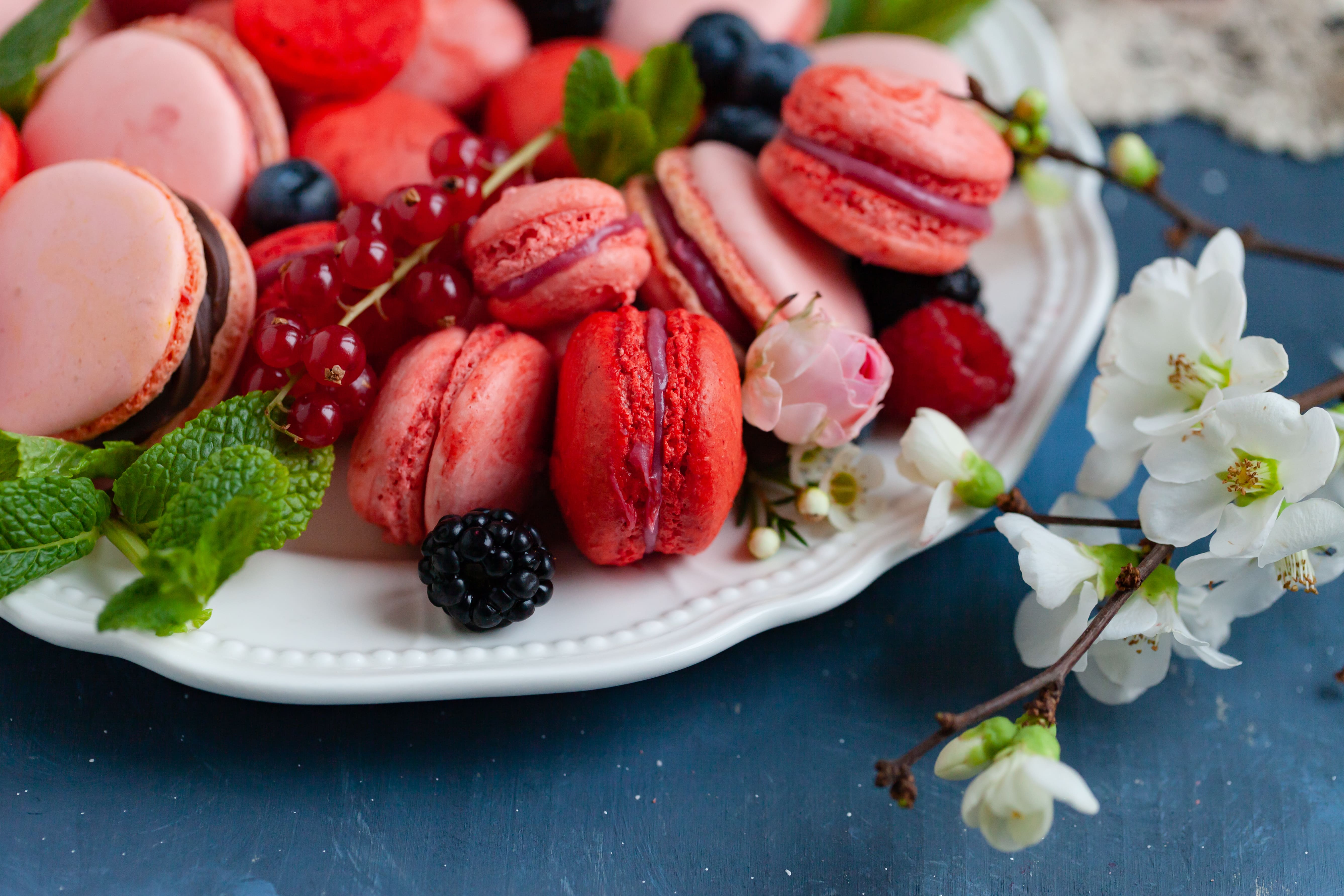
Fruit flavors obtained from the natural parts (e.g., rind of lemons and oranges or the exterior fruit pulp of apricots and peaches). In some cases, artificial flavors are added to enhance the taste, and artificial coloring is added for eye appeal. The flavors are sometimes encapsulated in corn syrup and emulsifiers. They are also coated with gum to preserve the flavor compounds and give longer shelf life to the product. Some of the most popular essences are compounded from both natural and artificial sources. These essences have the true taste of the natural flavors.
Aromas
Aromas are flavors that have an oil extract base. They are usually much more expensive than alcoholic extracts but purer and finer in their aromatic composition. Aromas are used for flavoring delicate creams, sauces, and ice creams.
Emulsions
Emulsions are homogenized mixtures of aromatic oils and water plus a stabilizing agent (e.g., vegetable gum). Emulsions are more concentrated than extracts and are less susceptible to losing their flavor in the oven.