Seasoning and Flavoring
Seasoning means to bring out or intensify the natural flavor of the food without changing it. Seasonings are added near the end of the cooking period. The most common seasonings are salt, pepper, and acids (such as lemon juice). When seasonings are used properly, their job is to heighten the flavors of the original ingredients.
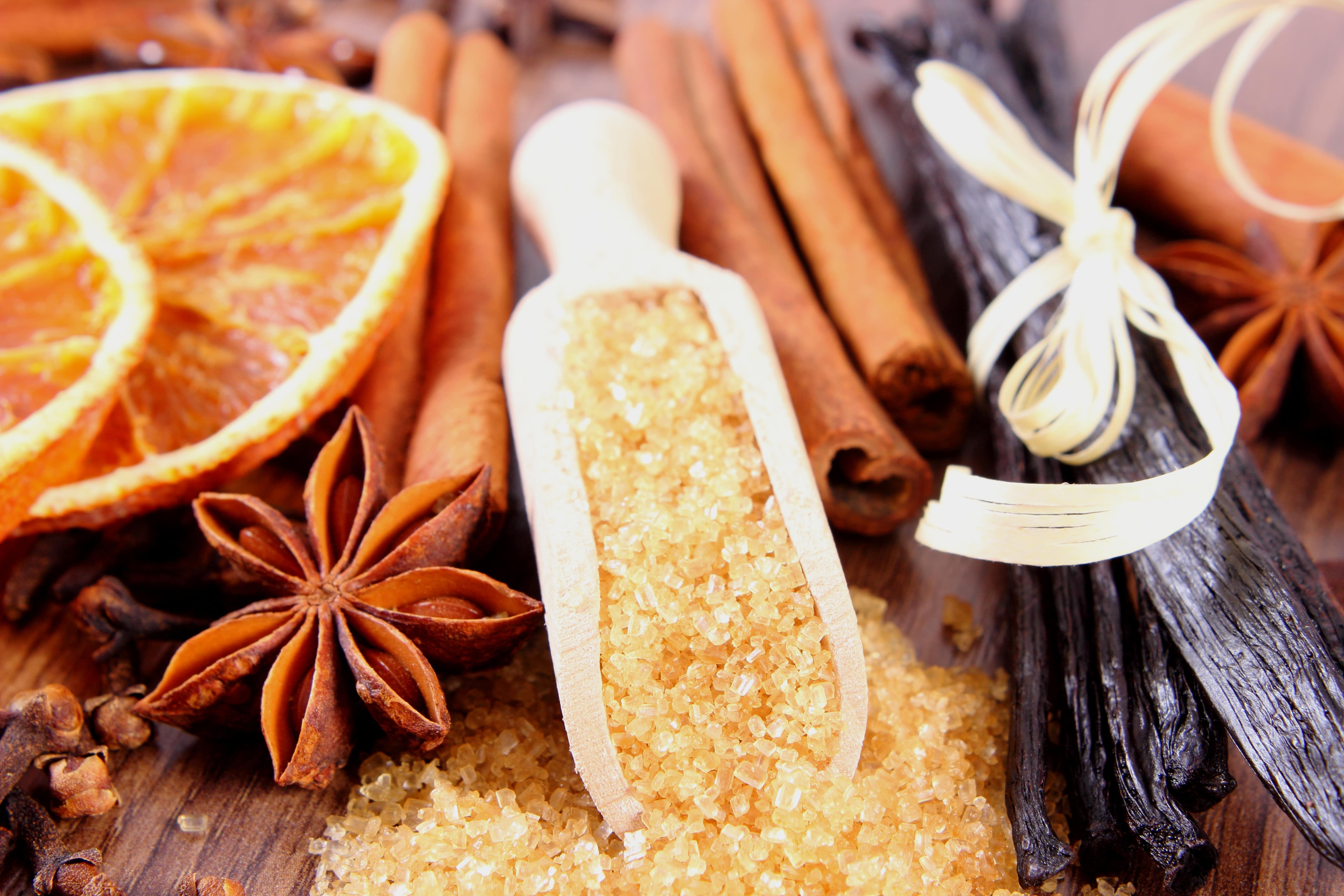
Flavoring
Flavoring refers to something that changes or modifies the original flavor of the food. Flavorings are used to contrast a taste such as adding liqueur to a dessert where both the added flavor and the original flavor are perceptible. Alternatively, flavorings are used to create a unique flavor in which it is difficult to discern what the separate flavorings are. Spice blends used in pumpkin pies are a good example of this. Knowing how to use seasonings and flavorings skillfully provides cooks and bakers with an arsenal with which they can create limitless flavor combinations. Flavoring and seasoning ingredients include wines, spirits, fruit zests, extracts, essences, and oils. However, the main seasoning and flavoring ingredients are classified as herbs and spices. Knowing the difference between herbs and spices is not as important as knowing how to use seasonings and flavorings skillfully. In general, fresh seasonings are added late in the cooking process, while dry ones are added earlier. It is good practice to under-season during the cooking process and then add more seasonings (particularly if you are using fresh ones) just before presentation, referred to as “layering.” When baking, it is difficult to add more seasoning at the end, so testing recipes to ensure the proper amount of spice is included is a critical process.