Manual Tools/ Hand Tools
Silicone Spatulas
A versatile tool for almost any application in the bakeshop. The primary uses can be stirring, folding, and scraping mixing bowls, pots, and pans, as well as the removal of the ingredients and mixture. These can come in different temperature tolerances. Some are capable of being exposed to temperatures of 500ºF and others that will melt at temperatures that high. Read the manufacturer’s specifications prior to deciding which to purchase.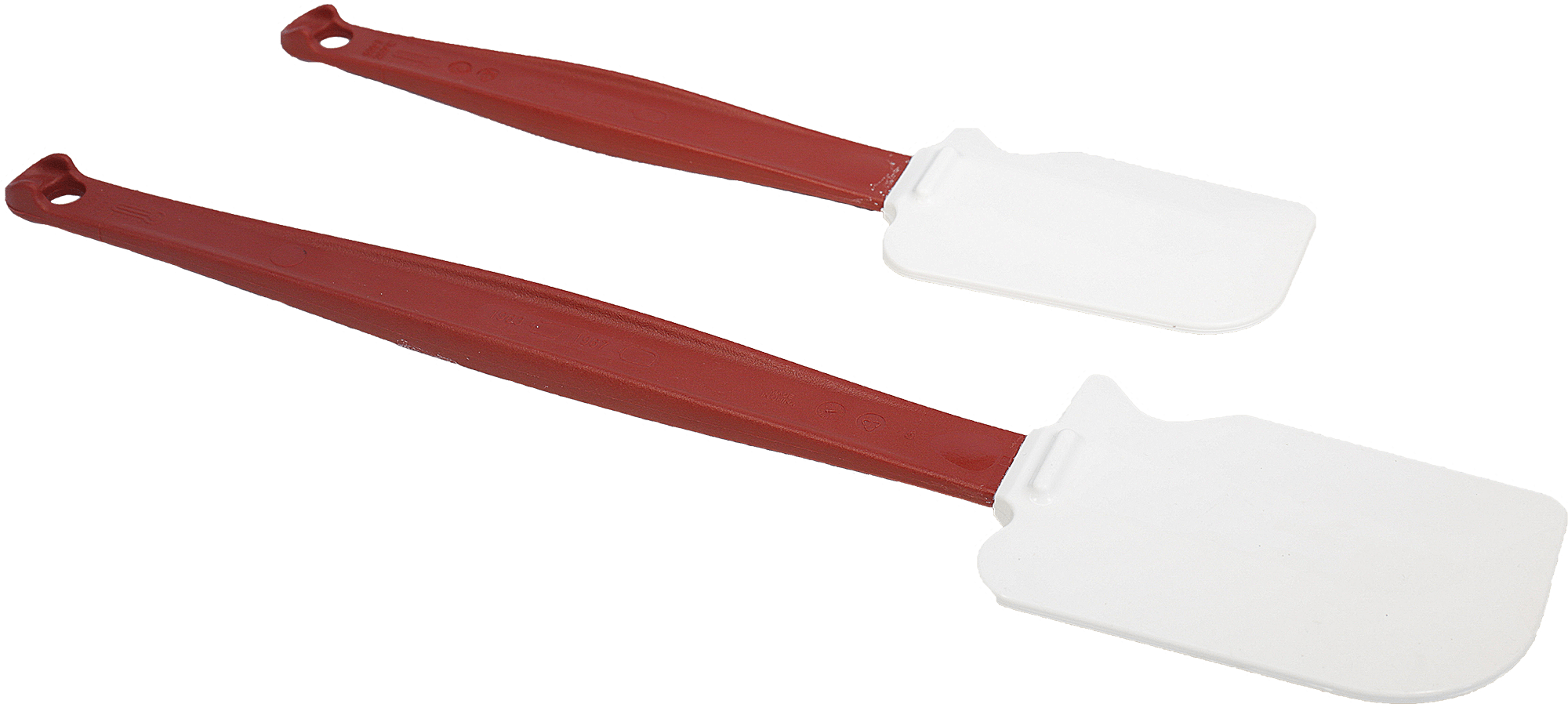
Whisks
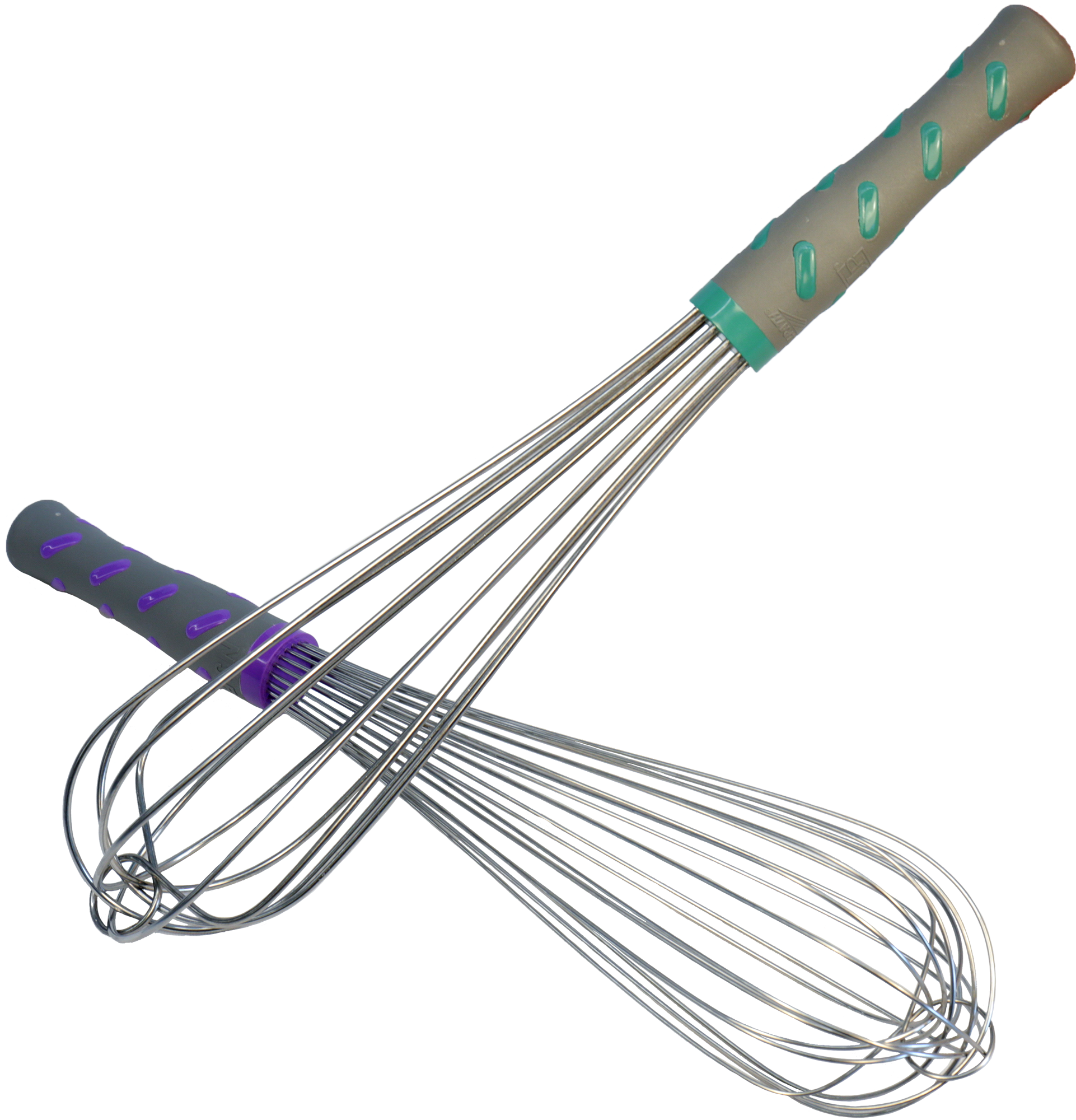
Another important hand tool used in many applications of the bakeshop. They are used to incorporate air, combine, and stir ingredients into a uniform consistency. The wire can be either heavy gauged or thin gauged. Heavy gauged, French whisks are stiff and should be used to stir thick sauces, creams, and other mixtures that don’t require the incorporation of air. The Balloon whisk has durable, yet pliable wires that when used on ingredients such as eggs, heavy cream, or butter will create air cells in the product that lighten or provide the crumb structure of the finished product.
Slotted Spoons
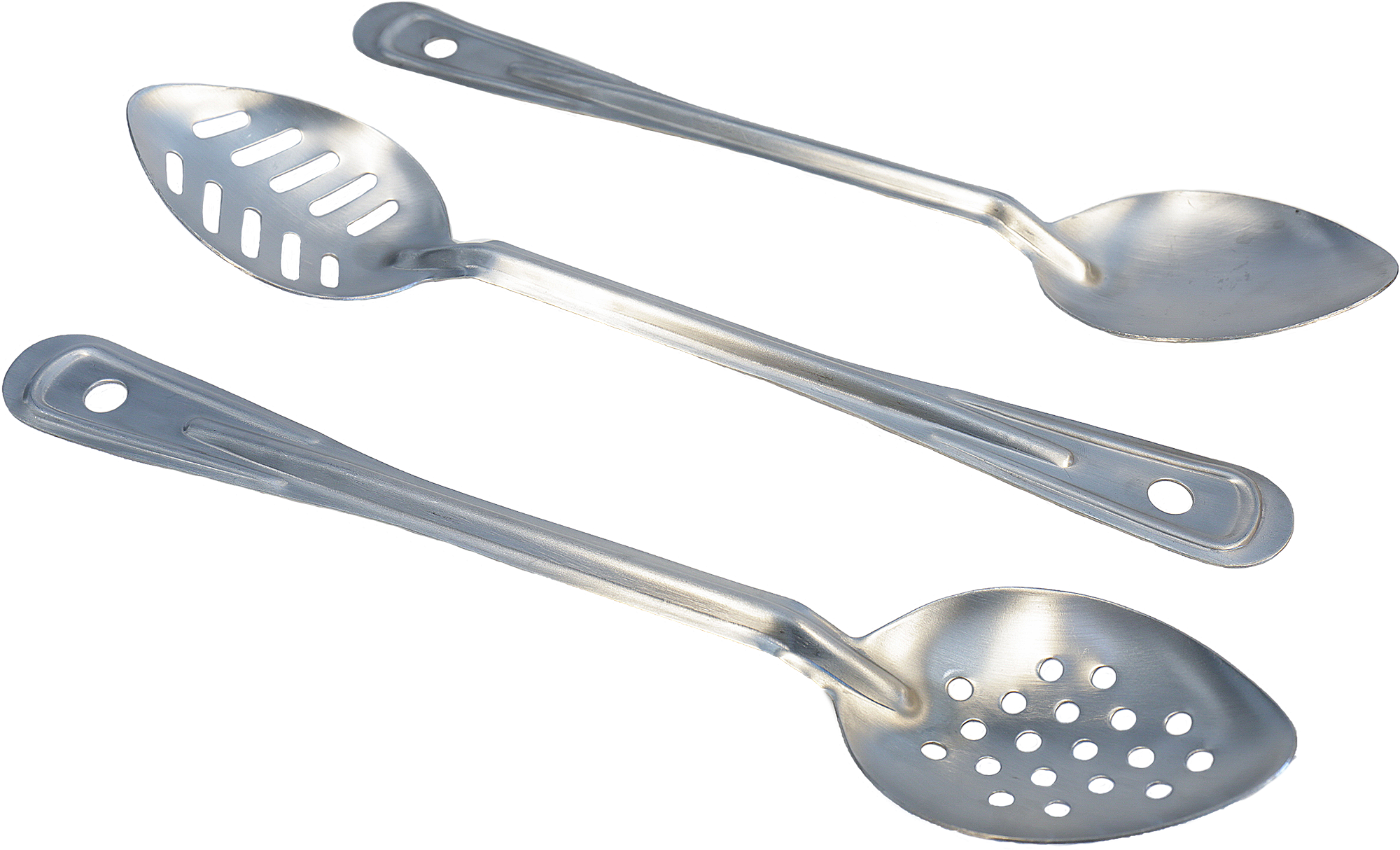
Made from durable stainless steel, they are used to mix, combine, and serve food items. The slotted or perforated spoons can separate liquid from solids when needed. Use these to avoid bare hand contact with ready to eat foods during service and plating.
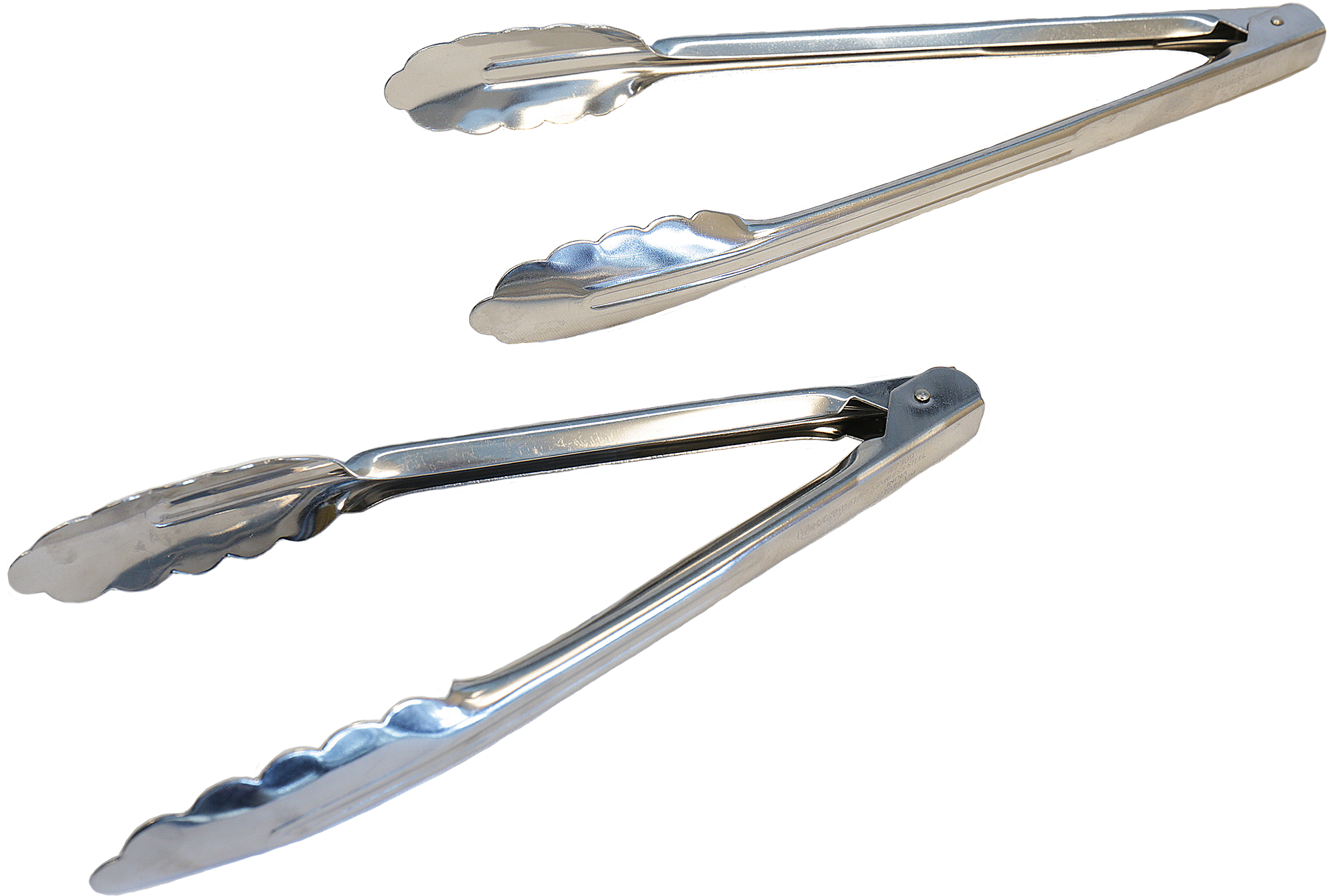
Tongs
These utensils are used as an extension of your hands. They can pick up or grab hot pieces of foods or small delicate items. They come in a variety of lengths and sizes.
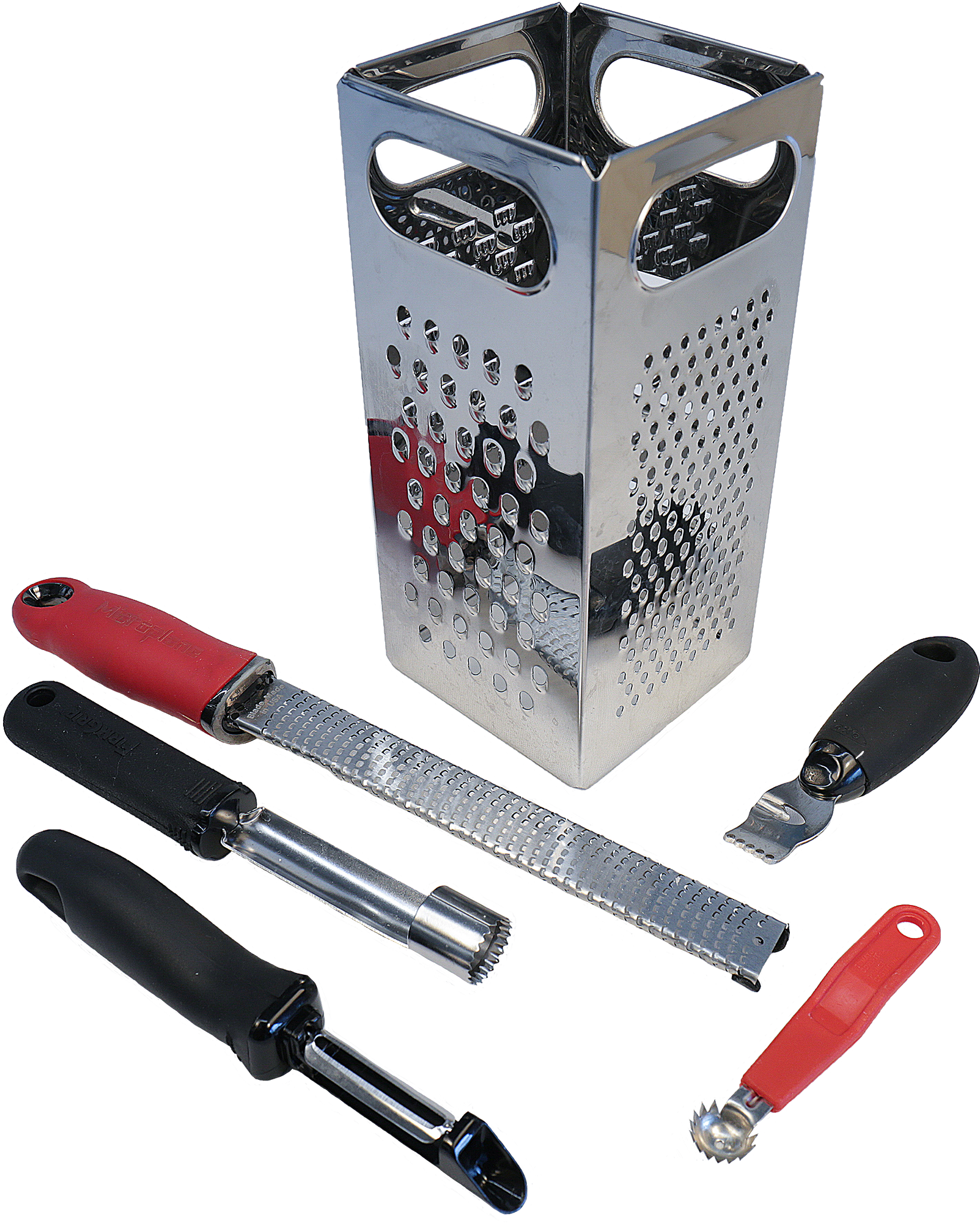
Vegetable Peelers, Box Grater, Rasp Grater, Zesters
Peelers are used to remove the outer skin from many different fruits and vegetable. They come in various shapes such as straight and “Y” shaped heads. Depending on the location each peeler has a small, rounded area or other models have a more pointed end used to remove blemishes from product, such as the eyes of a potato. Box graters are used to shred large amounts of various foods. It has multiple side that range from fine to large and most have a slicing feature. A rasp grater functions much like a box grater, but they don’t have multiple sides and are used to shred foods finely. They are usually used to remove the outer part of citrus fruits, the zest, or on hard cheeses and flavorings such as whole nutmeg, ginger, and garlic. Zesters are used to remove the zest from citrus fruits. The round whole cutters are pressed against the skin of the fruit and the pastry chef will pull down following the contour of the fruit. Continuous pressure is required to ensure that each strip removed is consistent in length, but not enough that the white pith is removed. When selecting between the rasp grater and zester you must determine what the final desirable outcome will be. A rasp grater will only give you fine zests, where the zester will give you long strips. The appearance, texture and size should be your determining factor for which to use.
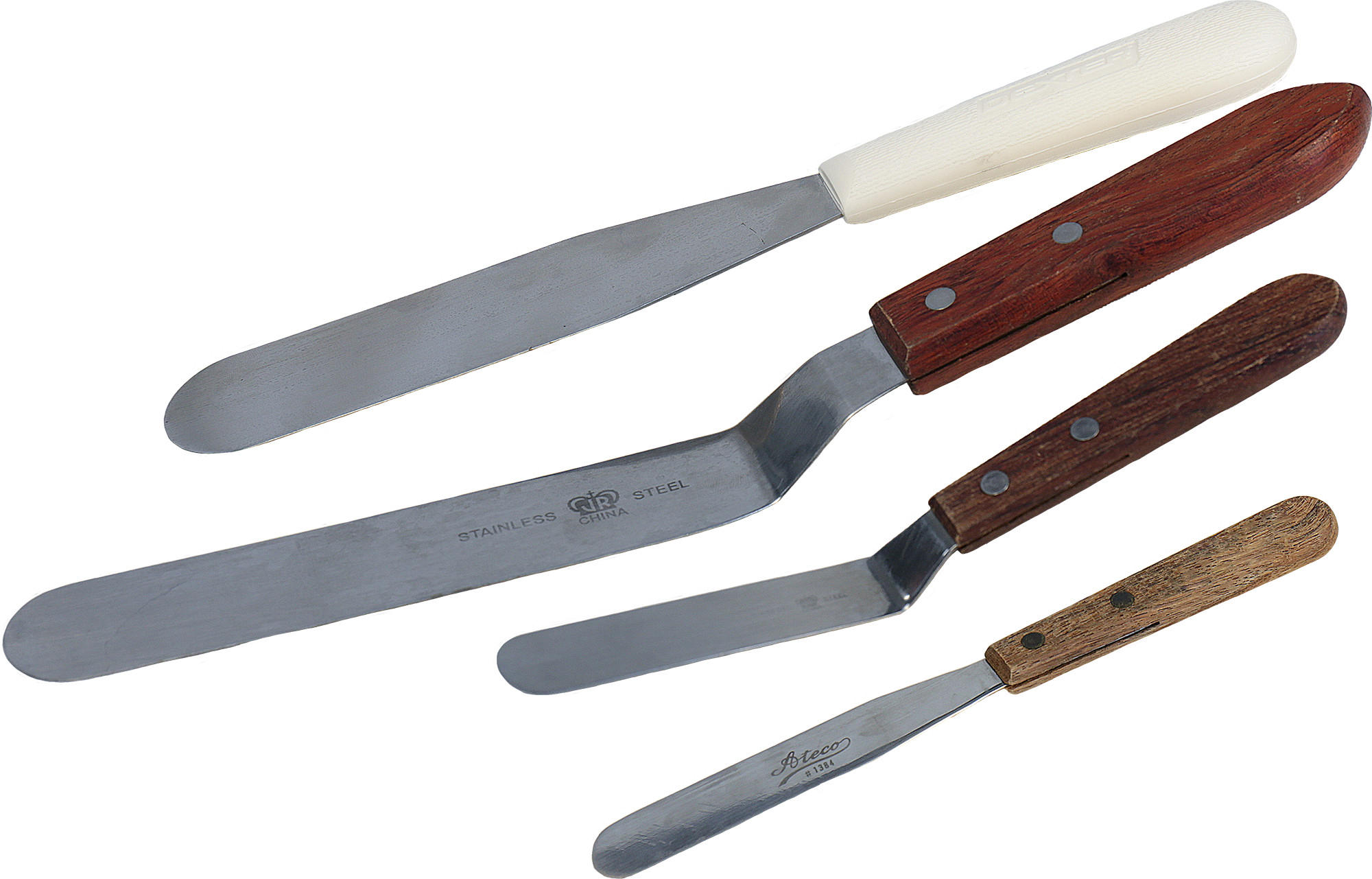
Metal Style Spatulas
These come in small, medium and large sizes. They can be straight or offset. They are used in the bakeshop to lift product from sheet trays lined with parchment paper, run along the rim of a cake pan to loosen it from the edges, but versatile in the use of smoothing icing during cake and cookie decorating.
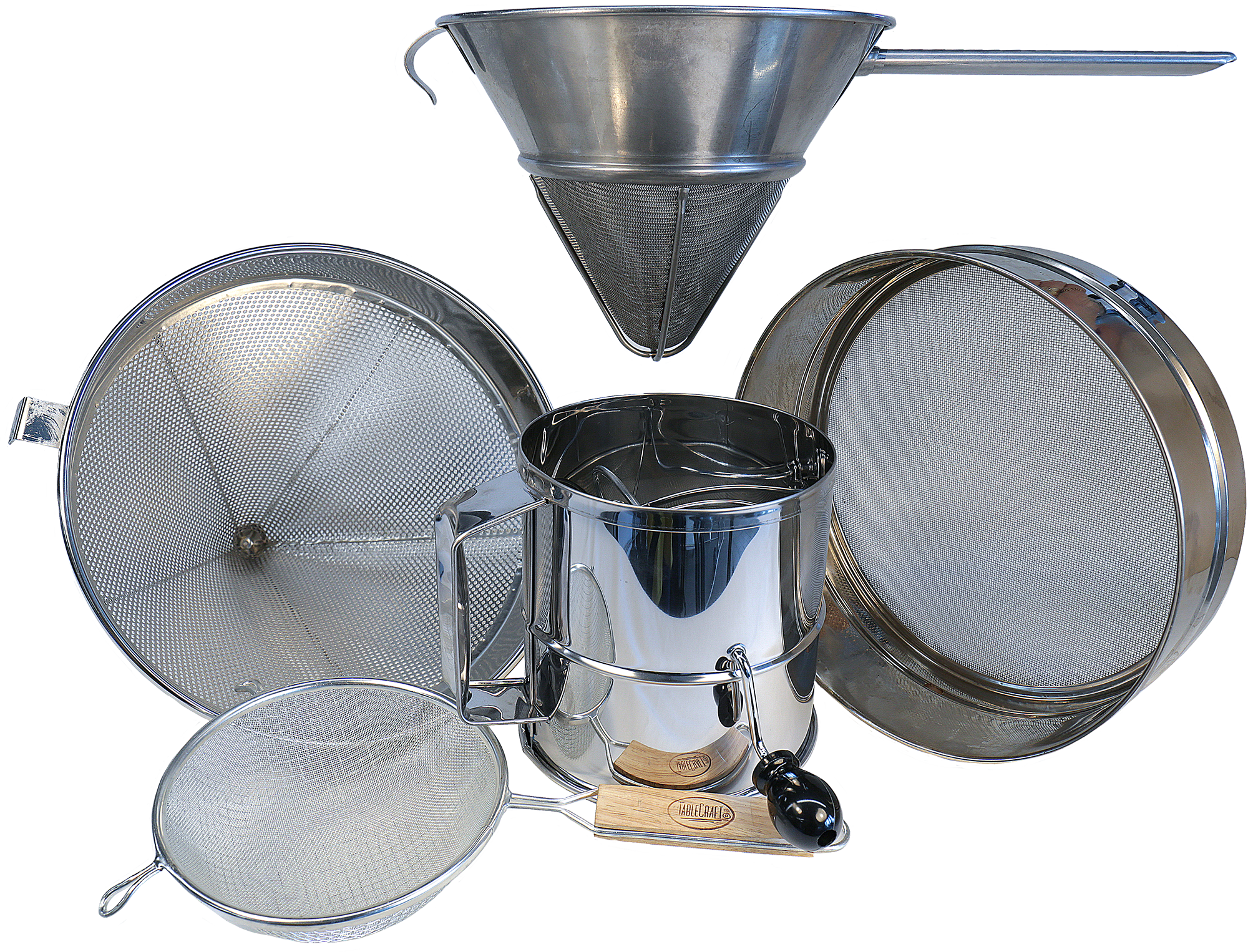
Sifters and Strainers
Each preform basically the same function. Sifters are used strictly for dry ingredients. After the ingredients have been properly mise en placed you would then combine them and add them to the sifter. Turning the crank allows these ingredients to be evenly combined and sifted through the mesh screen. By doing this it incorporates air into your dry ingredients. If your formula calls for the ingredients to be sifted or if it calls for sifted flour do not skip this step. Strainers are used to separate solids from liquids. Depending on the product you may use a fine meshed strainer that would remove the large to very small particles from the product. In other cases, you would use one that has large mesh when clarity of your finished product is not always important. In most modern kitchen these are referred to as a chinois (fine mesh) or a cone strainer.
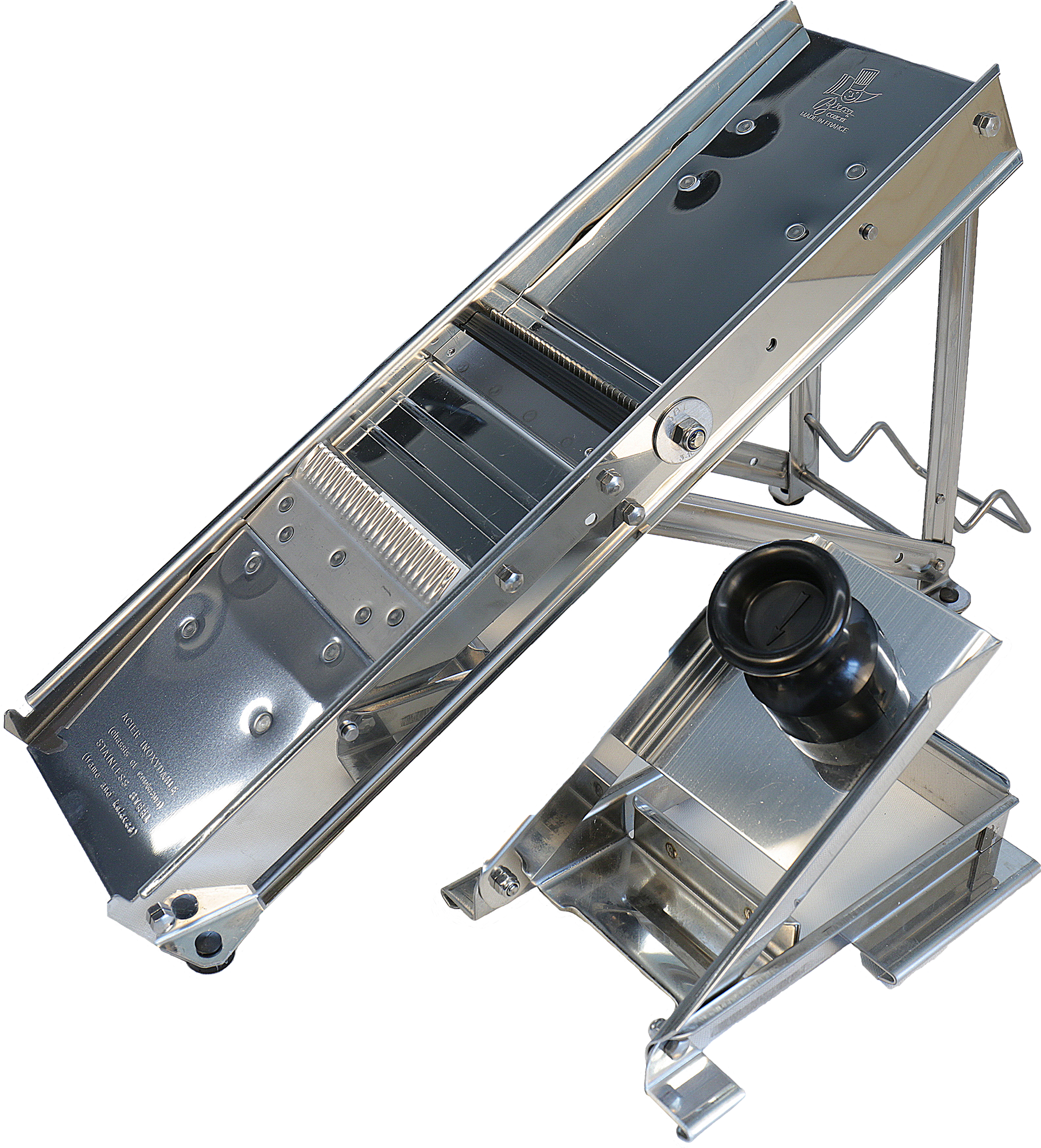
Mandoline
This slicing machine is used when accuracy in classical cuts are not necessary. These are used for high production of various cut styles. They cut production time down significantly. The basic cutting styles of the mandoline are julienne, batonnet, and slicing. Other models may have different interchangeable blades that would give your finished product a waffle or wavey design. Use care when operating this as it is easy to slip your hand off harder vegetables causing your hand to pass over the blades. The use of a cut glove is recommended for these, or the supplied guard, until you gain experience using it.
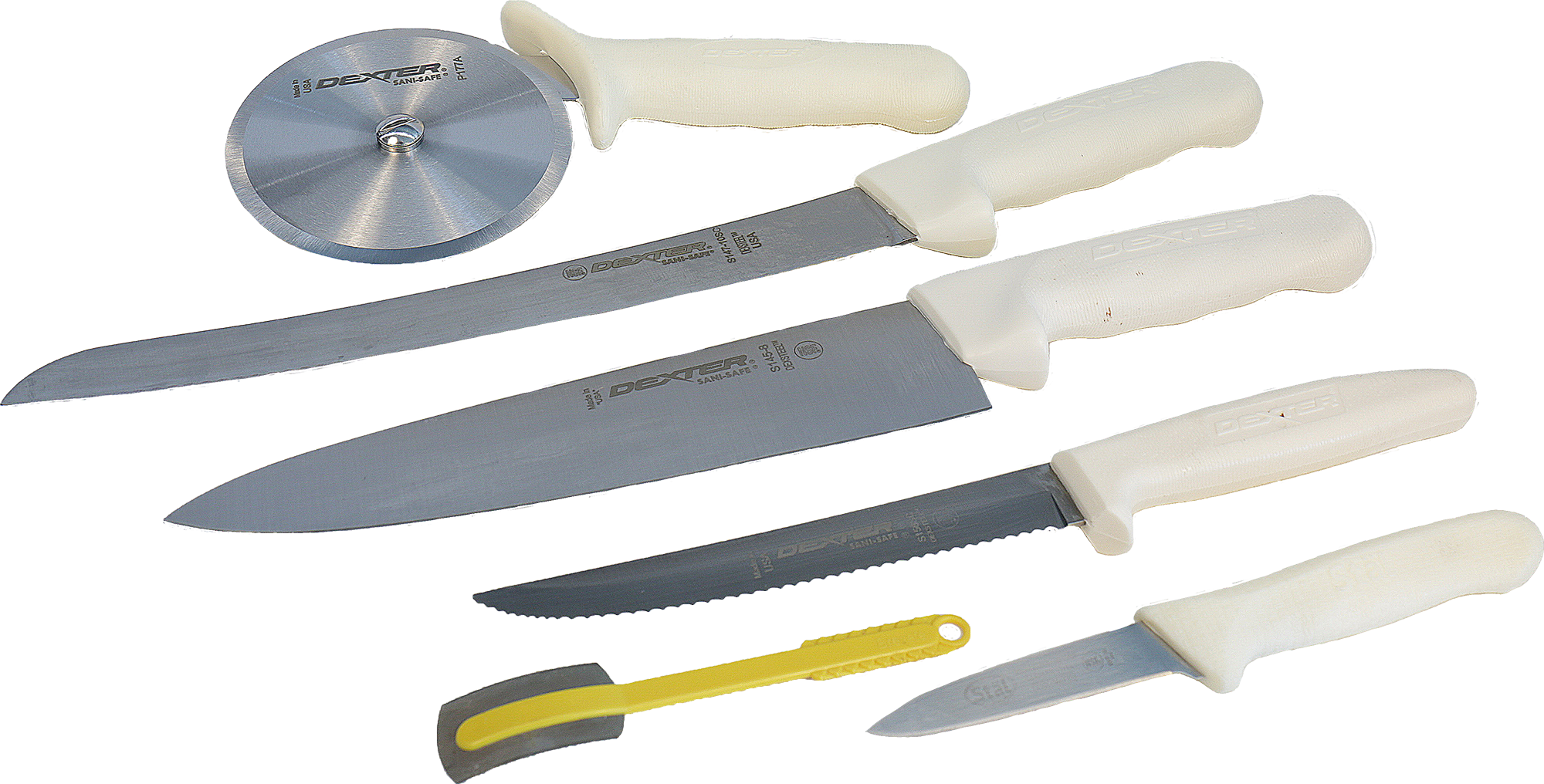
Knives, Lames, Wheel Cutters
Versatile cutting utensils used in specific tasks. Paring knives, chef knife and serrated knives are staples in the bakeshop. Lames are used to slash the tops of bread loaves in artisan bread before baking. Wheel cutters, or pizza wheel is used to cut strips of dough, as well as other applications.
Pastry Cutters/ Biscuit Cutters
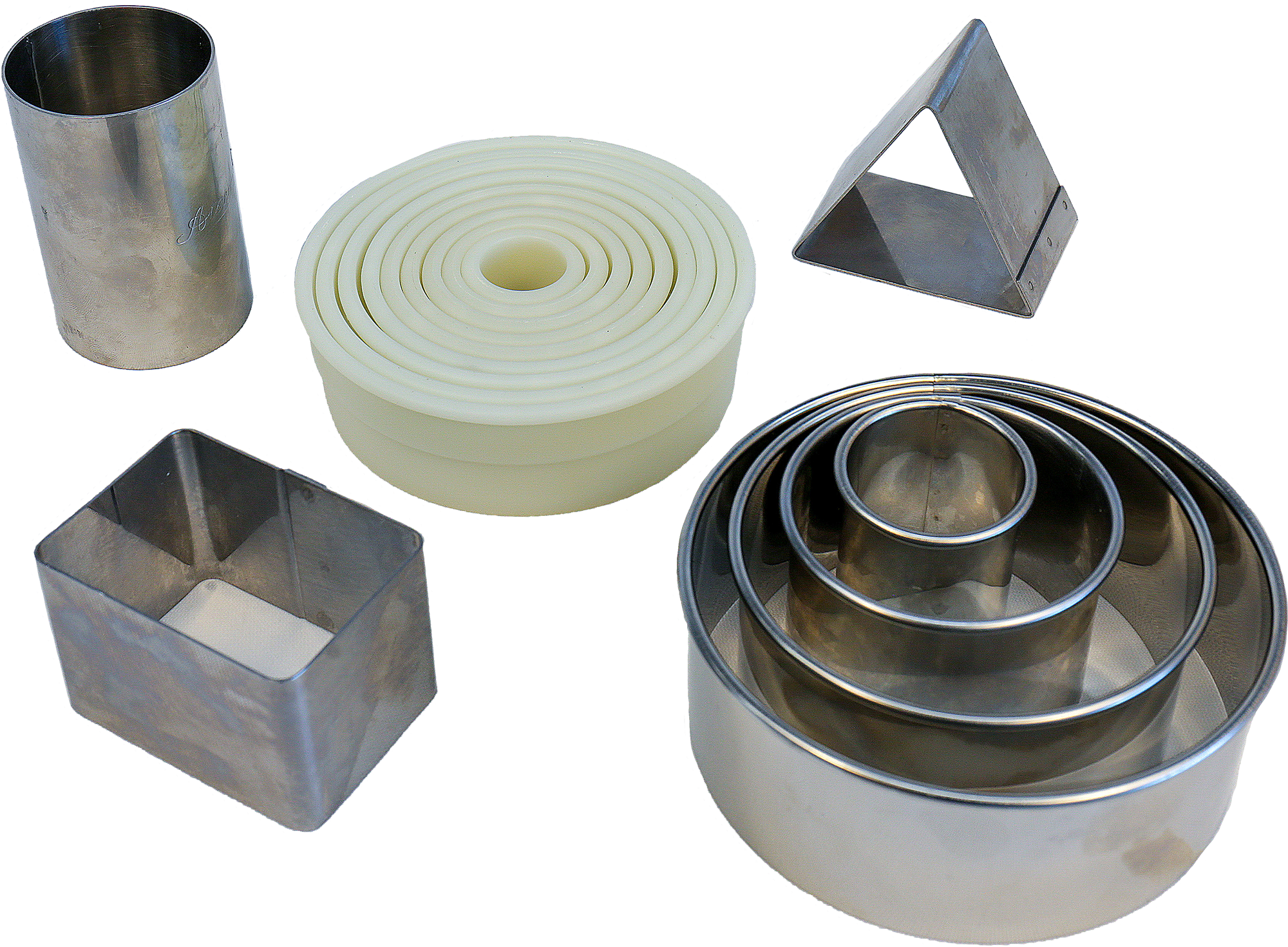
These can be plastic or metal. They come in sets of various shapes. Each set has sizes from large to small. Care is needed when using the metal set. These tend to be made of material that will rust if left damp for any extended period of time.